
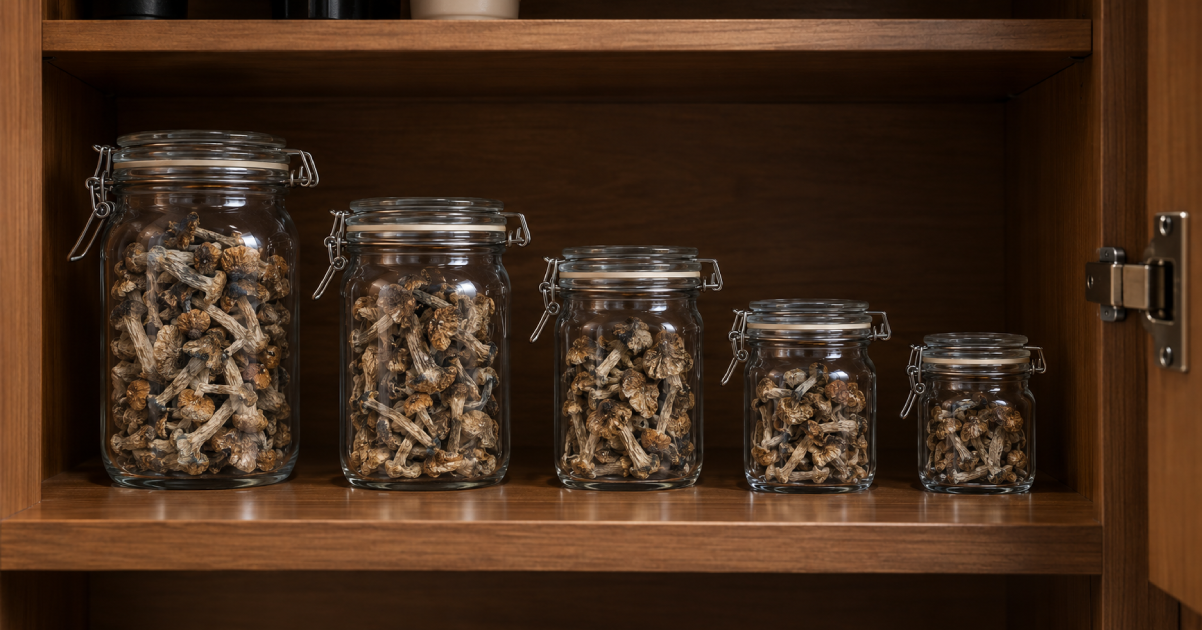
How to Store Magic Mushrooms: The Complete Guide to Preserving Freshness, Potency, and Quality
Whether you’re new to mushroom products or have experience with them, proper storage is one of the easiest ways to help maintain their quality over time. Many people spend time researching strains, potency, and product types, but overlook one important factor—how they’re stored after purchase.
Environmental conditions such as moisture, heat, oxygen, and sunlight can all affect dried mushrooms and mushroom-infused products. While no storage method can preserve quality indefinitely, using the right techniques can significantly slow natural degradation and help keep products in their best possible condition.
In this comprehensive guide, you’ll learn:
- Why proper storage matters
- The biggest factors that reduce quality
- The best containers to use
- Whether refrigeration or freezing is recommended
- How long different mushroom products typically last
- How to store mushroom chocolates and capsules
- Common storage mistakes to avoid
- Frequently asked questions about long-term storage
If you’re purchasing premium mushroom products from Dank Mart, proper storage begins the moment your order arrives. Quality packaging is an excellent first step, but the way you store products at home plays an equally important role.
Why Proper Storage Matters
Many natural products continue to change after they’ve been harvested or manufactured. Dried mushrooms are no exception.
Although drying removes most of the moisture that promotes spoilage, mushrooms remain sensitive to environmental conditions. Exposure to humidity, oxygen, excessive heat, and ultraviolet (UV) light gradually affects their texture, aroma, and the naturally occurring compounds they contain.
Proper storage helps:
- Preserve freshness
- Reduce exposure to moisture
- Protect against mould growth
- Maintain texture
- Slow natural degradation
- Extend overall shelf life
Good storage won’t stop the ageing process entirely, but it can dramatically reduce unnecessary deterioration.
What Causes Magic Mushrooms to Deteriorate?
Understanding what damages mushrooms makes it much easier to protect them.
Several environmental factors are responsible for most quality loss.
Moisture
Moisture is the single biggest threat to dried mushrooms.
Even mushrooms that have been properly dried can absorb humidity from the surrounding air. Once moisture enters the product, several problems can occur:
- Mold growth
- Softer texture
- Reduced shelf life
- Unpleasant odors
If mould develops, the product should be discarded.
Because moisture is so damaging, maintaining a consistently dry storage environment should always be your top priority.
Heat
Temperature has a significant impact on many natural compounds.
Warmer environments accelerate chemical reactions that slowly reduce overall quality over time.
Avoid storing mushroom products in places such as:
- Cars
- Garages
- Window sills
- Kitchen cabinets above ovens
- Laundry rooms
- Near heaters
Instead, choose cool locations with stable temperatures throughout the year.
Oxygen
Oxygen contributes to oxidation, a natural process that gradually changes many organic materials.
Although oxidation cannot be eliminated, limiting exposure to air helps slow the process.
Containers with airtight seals reduce unnecessary oxygen exposure while also protecting against humidity.
Light
Direct sunlight introduces two problems:
Heat
Ultraviolet radiation
UV rays can accelerate the breakdown of sensitive compounds found in mushrooms.
For this reason, products should always be stored in dark environments whenever possible.
Opaque containers or cabinets provide much better protection than leaving products exposed on countertops or shelves.
Choosing the Best Storage Container
Not all storage containers provide the same level of protection.
Here are the most effective options.
Glass Mason Jars
Glass jars remain one of the most popular long-term storage solutions.
Benefits include:
- Airtight seal
- No odour absorption
- Easy cleaning
- Excellent moisture resistance
- Long lifespan
When paired with a food-safe desiccant packet, glass jars create an excellent environment for dried mushrooms.
Amber-colored glass jars provide even greater protection by reducing light exposure.
Vacuum-Sealed Bags
Vacuum sealing removes much of the oxygen surrounding the mushrooms.
Advantages include:
- Less oxygen exposure
- Compact storage
- Reduced odour transfer
- Longer preservation potential
If using a vacuum sealer, avoid crushing delicate mushrooms by selecting a gentle sealing setting when available.
Vacuum sealing works best when mushrooms are already fully dried before storage.
Airtight Food Containers
High-quality food-grade containers are another practical option.
Look for containers with:
- Silicone gaskets
- Locking lids
- Strong airtight seals
- BPA-free materials
Although glass generally provides the best long-term protection, premium airtight plastic containers can also perform well.
Mylar Bags
Many premium retailers package mushroom products inside Mylar bags.
These bags offer several advantages:
Excellent light protection
- Good oxygen barrier
- Moisture resistance
- Durable construction
If your products arrive from Dank Mart in high-quality sealed packaging, leaving them unopened until needed may help preserve freshness.
Once opened, transferring the contents to an airtight container is often recommended for longer storage.
The Ideal Storage Environment
Think of storage as protecting mushrooms from four enemies:
- Moisture
- Heat
- Air
- Light
The ideal storage location should be:
- Cool
- Dry
- Dark
- Stable
Suitable locations include:
- Bedroom closets
- Pantries
- Cabinets
- Drawers away from appliances
- Dedicated storage containers
Consistency matters.
Frequent temperature changes can introduce condensation and increase humidity inside containers.
Should You Refrigerate Magic Mushrooms?
Many people assume refrigeration automatically extends shelf life.
For dried mushrooms, this isn’t always true.
Household refrigerators tend to have relatively high humidity levels.
Each time the refrigerator door opens:
- Warm air enters.
- Cold air condenses.
- Moisture levels fluctuate.
Unless mushrooms are professionally vacuum-sealed, refrigeration may increase the risk of condensation.
For most dried products, a cool pantry or closet is usually the better choice.
Can You Freeze Them?
Freezing can preserve products for extended periods when done correctly.
However, freezing introduces one major concern:
Condensation.
When frozen products are removed from the freezer, moisture can rapidly collect on cold surfaces.
If freezing is necessary:
- Vacuum-seal the product first.
- Keep moisture out completely.
- Allow sealed packages to reach room temperature before opening.
Opening a frozen package too early may allow humid air to condense directly onto the mushrooms.
Proper freezing techniques minimise this risk.
How Long Do Magic Mushrooms Last?
Shelf life depends largely on storage conditions rather than simply the passage of time.
Here are general estimates.
| Storage Method | Typical Shelf Life |
| Poor room-temperature storage | Several weeks to a few months |
| Airtight jar in cool, dark storage | Around 6–12 months |
| Vacuum sealed | About one year or longer |
| Properly frozen and sealed | Potentially longer, though gradual quality loss may still occur |
Actual longevity depends on factors including:
- Initial drying quality
- Storage temperature
- Humidity
- Packaging quality
- Frequency of opening the container
Products purchased from reputable retailers like Dank Mart often begin with better packaging, helping maintain freshness before they even reach your home.
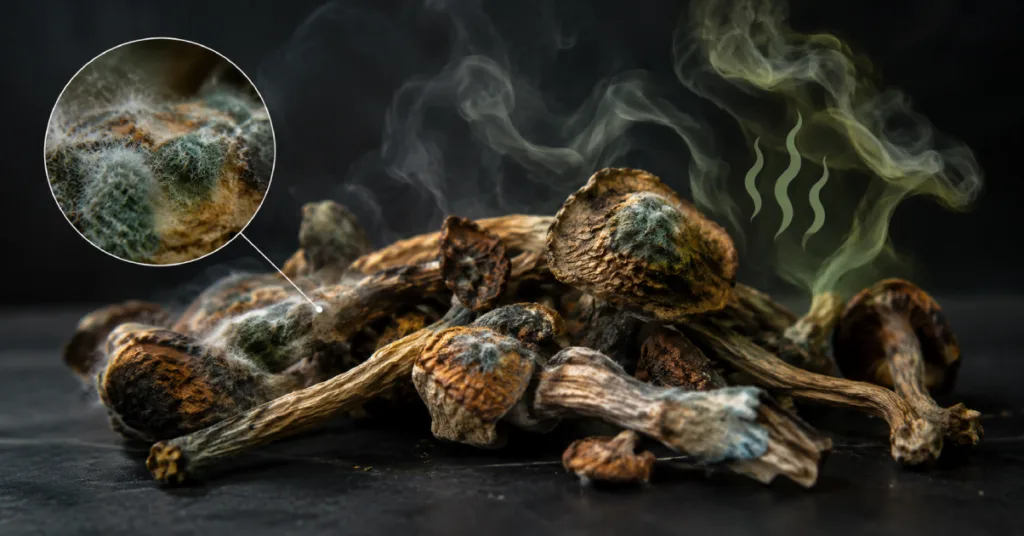
How to Tell When Mushrooms Have Gone Bad
Regularly inspecting stored products helps prevent accidental use of spoiled items.
Watch for these warning signs.
Mold Growth
Any fuzzy, discoloured, or unusual growth indicates spoilage.
Never consume mouldy mushrooms.
Unpleasant Odors
Properly dried mushrooms generally have a mild, earthy aroma.
Discard products if you notice:
- Sour smells
- Musty odors
- Mould-like scents
- Strong chemical odours
These changes often indicate contamination or moisture exposure.
Texture Changes
Fully dried mushrooms are typically crisp and brittle.
If they become:
- Soft
- Rubbery
- Flexible
- They have likely absorbed moisture from the surrounding environment.
Dryness is one of the best indicators of proper storage.
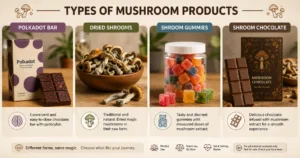
How to Store Mushroom Chocolates and Shroom Bars
Mushroom-infused chocolates and shroom bars require slightly different storage than dried mushrooms because chocolate is much more sensitive to heat and humidity.
Unlike dried mushrooms, chocolate can soften, melt, or develop a white coating known as fat bloom when exposed to fluctuating temperatures. While bloom usually doesn’t make chocolate unsafe to consume, it can affect appearance, texture, and overall eating experience.
To help preserve quality:
- Keep chocolate in its original packaging whenever possible.
- Store it inside an airtight container.
- Choose a cool, dry location away from direct sunlight.
- Avoid placing it near appliances that generate heat.
- Keep temperatures as consistent as possible.
During particularly hot weather, refrigeration may help prevent melting. If you refrigerate chocolate products, allow the sealed package to return to room temperature before opening it. This reduces the chance of condensation forming on the chocolate.
If you purchase mushroom chocolates from Dank Mart, leaving unopened products in their factory packaging until you’re ready to use them helps provide an additional layer of protection against air and moisture.
Best Practices for Storing Mushroom Capsules
Capsules offer a convenient way to consume mushroom products and are generally easy to store.
Because capsules contain finely ground material, they’re often more sensitive to oxygen than whole dried mushrooms. The increased surface area means oxidation can occur more quickly once exposed to air.
To maximise shelf life:
- Keep capsules inside their original bottle whenever possible.
- Ensure the lid is tightly sealed after each use.
- Store the container in a cool, dry location.
- Avoid exposing the bottle to excessive humidity.
- Keep capsules away from direct sunlight.
If your bottle contains a food-safe desiccant packet, leave it inside. It’s there to help absorb residual moisture and maintain a dry environment.
How to Store Mushroom Powders
Powdered mushrooms require a little extra attention because grinding significantly increases the amount of surface area exposed to oxygen.
Whenever possible:
- Store powders in airtight glass containers.
- Keep containers sealed between uses.
- Use a clean, dry scoop to avoid introducing moisture.
- Minimise the amount of time the container remains open.
If you’re grinding dried mushrooms yourself, consider processing only what you expect to use in the near future. Whole mushrooms generally maintain their quality longer than powders.
Does Mushroom Strain Affect Storage?
One question many people ask is whether different mushroom strains require different storage methods.
The short answer is no.
Regardless of variety, the same environmental factors influence long-term quality.
Whether you’re storing:
- Golden Teacher
- B+
- Albino varieties
- Penis Envy
- Hillbilly
- Other Psilocybe cubensis varieties
The storage recommendations remain virtually identical.
Every dried mushroom benefits from:
- Low humidity
- Minimal oxygen exposure
- Stable temperatures
- Protection from sunlight
- Airtight packaging
The strain itself has very little impact on how products should be stored.
Proper Storage for Dense Mushroom Varieties
Some varieties are known for having denser fruiting bodies than others.
Although texture and appearance may vary, storage principles remain the same.
For best results:
- Ensure mushrooms are completely dry before long-term storage.
- Protect them from moisture at all times.
- Use airtight containers whenever possible.
- Avoid repeated exposure to changing temperatures.
Remember that mould develops because of environmental conditions—not because of mushroom genetics.
Does Potency Naturally Change Over Time?
Even under ideal storage conditions, natural compounds slowly change over time.
Proper storage cannot stop this process entirely, but it can significantly slow it.
Several factors influence long-term preservation, including:
- Initial drying quality
- Packaging quality
- Oxygen exposure
- Storage temperature
- Humidity
- Exposure to light
- Frequency of opening the container
Products stored in cool, dark, airtight environments generally maintain their quality far better than those exposed to fluctuating environmental conditions.
Common Storage Mistakes to Avoid
Many storage problems can be prevented by avoiding a few simple mistakes.
Leaving Products in Plastic Sandwich Bags
Thin plastic bags offer very little protection from moisture or oxygen.
Although convenient for short-term transportation, they aren’t ideal for long-term storage.
Frequent Opening
Every time you open a storage container, fresh oxygen and humidity enter.
If you’re storing products for an extended period, consider dividing larger quantities into several smaller containers rather than repeatedly opening one large jar.
Using Humid Storage Areas
Bathrooms, laundry rooms, and kitchens often experience large swings in humidity.
These locations increase the risk of moisture entering storage containers.
Choose dry rooms whenever possible.
Storing Near Heat Sources
Avoid placing products near:
- Ovens
- Dishwashers
- Radiators
- Space heaters
- Electronics that generate heat
Even moderate temperature increases can gradually reduce product quality over time.
Forgetting Desiccant Packs
Food-safe silica gel packets help absorb small amounts of residual moisture.
Replacing them periodically—especially if containers are opened frequently—can provide additional protection.
Exposing Products to Sunlight
Leaving containers on countertops or windowsills exposes them to both heat and UV light.
Instead, choose enclosed cabinets or drawers where temperatures remain more consistent.
Long-Term Storage Checklist
Before putting products away, run through this simple checklist:
✔ Product is completely dry
✔ Container seals tightly
✔ Stored away from sunlight
✔ Located in a cool room
✔ Humidity is low
✔ Desiccant packet included if appropriate
✔ Container is clearly labelled
✔ Stored away from children and pets
Following these simple steps takes only a few minutes but can make a noticeable difference over time.
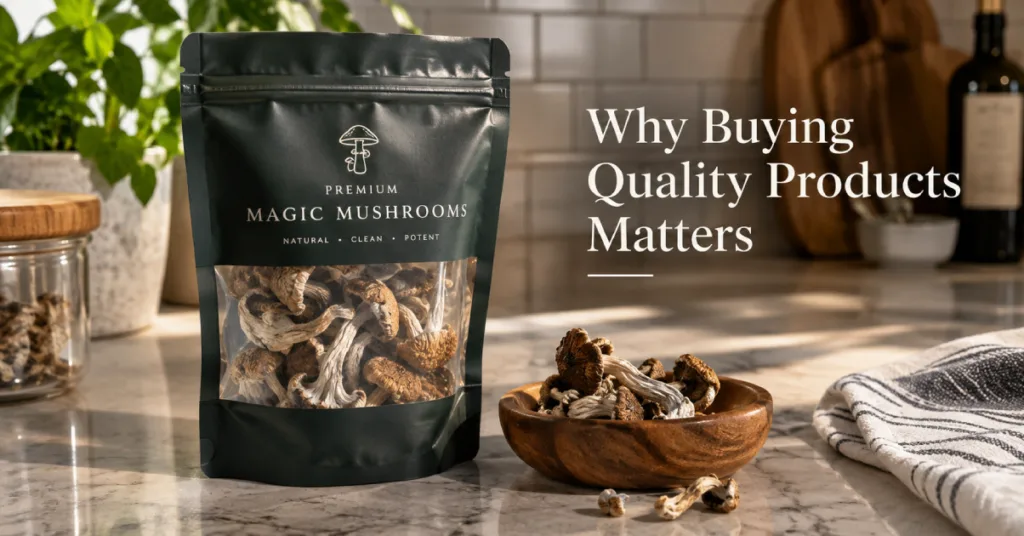
Why Buying Quality Products Matters
Proper storage begins before products ever reach your home.
Even the best storage practices can’t fully compensate for products that were improperly dried or poorly packaged before purchase.
When shopping, look for retailers that prioritise:
- Fresh inventory
- Secure packaging
- Clear product labeling
- Storage recommendations
- Quality control
At Dank Mart, products are carefully packaged to help maintain freshness throughout storage and shipping. Starting with well-prepared products gives you the best opportunity to preserve quality once they arrive.
Safety Tips for Responsible Storage
Storage isn’t only about preserving quality—it’s also about preventing accidental access.
Keep mushroom products:
- Out of reach of children
- Away from pets
- Clearly labeled
- Separate from everyday snacks
- Stored in secure containers
Chocolate-based products deserve particular attention because they may resemble ordinary candy.
If multiple people share your household, using labelled containers can help prevent confusion.
Frequently Asked Questions
What is the best container for storing dried mushrooms?
An airtight glass jar with a reliable seal is generally considered one of the best options. Adding a food-safe desiccant packet provides extra protection against moisture.
Should I refrigerate dried mushrooms?
In most situations, no.
Because refrigerators have relatively high humidity, a cool, dry cupboard or closet is often a better option unless products are professionally vacuum-sealed.
Can mushrooms develop mould after drying?
Yes.
Even properly dried mushrooms can absorb moisture if stored incorrectly. Once mould develops, they should be discarded.
Is vacuum sealing worth it?
For long-term storage, vacuum sealing offers excellent protection by reducing oxygen exposure while helping prevent moisture from entering the package.
Do whole mushrooms last longer than ground mushrooms?
Generally, yes.
Whole mushrooms expose less surface area to oxygen, allowing them to retain quality longer than powders.
Can I freeze mushroom products?
Freezing can work well when products are vacuum sealed and protected from moisture. Always allow frozen packages to return to room temperature before opening them to minimise condensation.
How should I store mushroom chocolates?
Keep them in their original packaging inside an airtight container, away from sunlight and excessive heat. Refrigeration may be appropriate in very warm climates, provided condensation is avoided.
Does the strain change storage recommendations?
No.
Storage principles remain consistent across dried mushroom varieties. Protect products from moisture, oxygen, heat, and light regardless of the specific strain.
Final Thoughts
Learning how to store magic mushrooms properly is one of the simplest ways to help preserve freshness, texture, and overall quality. While no storage method can prevent natural ageing entirely, keeping products in a cool, dark, and dry environment inside an airtight container can significantly extend their usable life.
The same core principles apply whether you’re storing dried mushrooms, capsules, powders, or mushroom-infused chocolates. By reducing exposure to moisture, oxygen, heat, and sunlight, you create an environment that helps maintain product quality for as long as possible.
Starting with well-packaged products also makes a difference. Dankmart.co carefully selects and packages its mushroom products with freshness in mind, giving customers a solid foundation for long-term storage at home.
Whether you’re purchasing dried mushrooms, capsules, or mushroom edibles, combining quality products with proper storage practices helps ensure you’re getting the best possible experience from every purchase.
References:
The Garden State Treatment Centre Editorial Team. (February 1, 2026). Can Magic Mushrooms Go Bad? Available at: https://www.gardenstatetreatmentcenter.com/can-magic-mushrooms-go-bad/
Changa Institute. (July 18, n.d.). How to Store Magic Mushrooms. Available at: https://www.changainstitute.com/blog/how-to-store-magic-mushrooms
Illinois Recovery Centre. (n.d.). How Long Do Shrooms Last? Available at: https://illinoisrecoverycenter.com/how-long-do-shrooms-last/
Dr. Louisa Degenhardt, Ph.D, AO, FAA, FASSA, FAHMS

About author




Add comment