
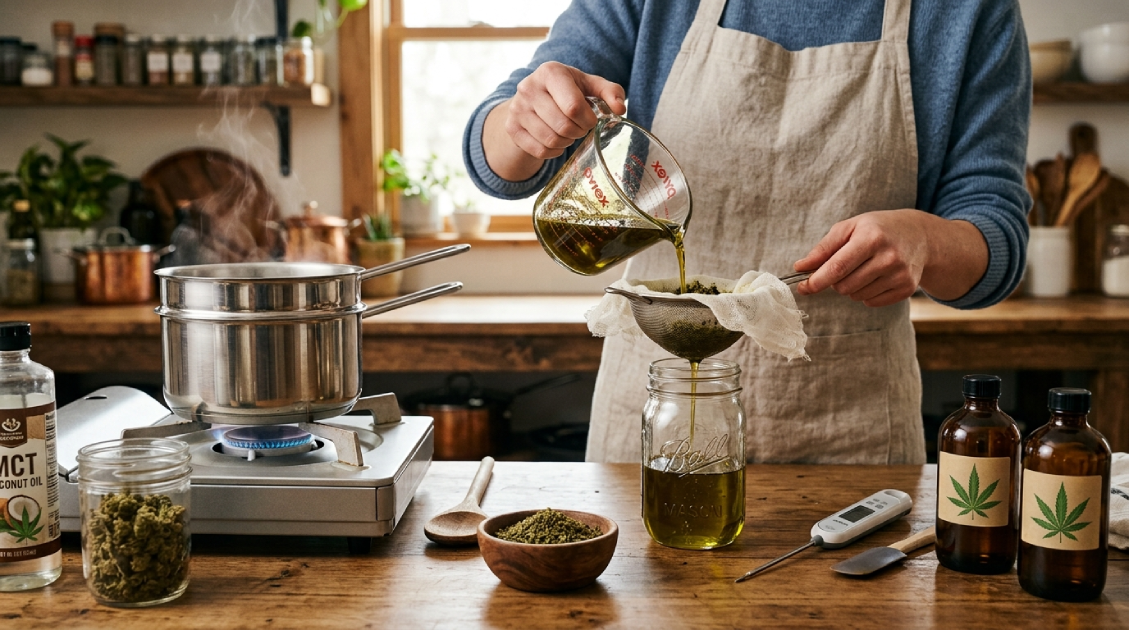
How to Make Canna Oil: The Complete Beginner’s Guide to Homemade Cannabis Oil
If you’re interested in making homemade cannabis edibles, learning how to make canna oil is one of the most useful skills you can develop. Cannabis-infused oil is versatile, relatively simple to prepare, and can be used in everything from brownies and cookies to pasta sauces, salad dressings, gummies, and even homemade capsules.
Unlike smoking or vaping, cooking with cannabis allows you to incorporate cannabinoids into recipes you already enjoy. Once you’ve mastered a basic infusion, you’ll have a foundation for creating countless homemade edibles while maintaining greater control over ingredients and serving sizes.
Whether you’re making THC-infused coconut oil for baked goods or CBD-rich olive oil for savoury dishes, the process follows the same basic principles: properly prepare your cannabis, gently infuse it into a quality carrier oil, strain the mixture, and store it correctly.
This guide walks you through every step in detail, from choosing the best cannabis and carrier oil to estimating potency, avoiding common mistakes, and storing your finished infusion safely. Along the way, you’ll also find practical tips that can help produce more consistent results the first time you try making cannabidiol oil at home.
If you’re looking for premium cannabis flower, concentrates, pre-rolls, or accessories before you begin, Dank Mart offers a carefully curated selection of products for adults shopping in legal cannabis markets.
What Is Canna Oil?
Canna oil is simply a cooking oil that has been infused with cannabinoids extracted from cannabis.
Cannabinoids are naturally occurring compounds found in cannabis plants. The two most recognized cannabinoids are:
- THC (tetrahydrocannabinol): the primary psychoactive compound responsible for the intoxicating effects associated with cannabis.
- CBD (cannabidiol): a non-intoxicating cannabinoid that many consumers choose for wellness-focused applications.
Unlike water, cannabinoids are fat-soluble. This means they dissolve efficiently into oils and other fats, making cooking oils an ideal carrier for homemade cannabis infusions.
Once infused, canna oil can replace ordinary cooking oil in many recipes, allowing you to prepare homemade edibles with ingredients you already enjoy.
Canna Oil vs. Cannabis Oil: Are They the Same?
Although many people use these terms interchangeably, they don’t always describe the same product.
Canna oil usually refers to homemade cooking oil infused with cannabis flower using gentle heat over several hours.
Cannabis oil is a broader category that may include:
- Homemade infused oils
- CO₂ extracts
- Ethanol extracts
- Full-spectrum cannabis oils
- Distillates
- Medical cannabis extracts
For home cooking, people are almost always referring to infused cooking oils rather than highly concentrated commercial cannabis extracts.
Understanding this distinction can help when reading recipes or shopping for cannabis products.
Why Make Your Own Canna Oil?
Making cannabis oil at home offers several advantages over purchasing pre-made infused products.
Greater Recipe Flexibility
Once you have infused oil, you can use it in virtually any recipe that contains fat.
Popular uses include:
- Brownies
- Cookies
- Cakes
- Muffins
- Gummies
- Chocolate
- Pasta sauces
- Stir-fries
- Salad dressings
- Popcorn
- Smoothies
- Homemade capsules
Rather than relying on a limited selection of commercially available edibles, homemade oil allows you to customize recipes to suit your own tastes.
Ingredient Control
Preparing your own infusion means you know exactly what goes into your oil.
You choose:
- the cannabis strain
- the carrier oil
- the flower-to-oil ratio
- the infusion time
This flexibility appeals to many home cooks who enjoy experimenting with different recipes.
Cost Savings
If you regularly prepare homemade edibles, making your own canna oil can often be more economical than purchasing pre-made infused products.
Using quality flower, shake, or trim—depending on your goals—allows you to tailor both potency and budget.
Choosing the Best Carrier Oil
One of the first decisions you’ll make is selecting the oil you’ll infuse.
Different oils work better for different recipes, and each has unique characteristics.
Coconut Oil
Coconut oil remains the most popular choice for homemade cannabis infusions.
Its naturally high saturated fat content makes it particularly effective at dissolving cannabinoids.
Advantages include:
- Excellent cannabinoid absorption
- Neutral flavour
- Ideal for baking
- Great for chocolate and gummies
- Solidifies at cooler temperatures for easier storage
- Long shelf life when refrigerated
For these reasons, many edible recipes specifically recommend cannabis coconut oil.
Olive Oil
Olive oil works exceptionally well for savoury cooking.
It’s commonly used in:
- Pasta dishes
- Bread dipping oils
- Marinades
- Salad dressings
- Roasted vegetables
Its distinctive flavour complements Mediterranean-style recipes but may be less suitable for desserts.
Avocado Oil
Avocado oil has a relatively mild flavour and a high smoke point.
It’s an excellent choice for:
- Roasting
- Pan frying
- Vegetable dishes
- Savoury meals
Because of its cooking versatility, many home chefs prefer avocado oil for everyday use.
MCT Oil
Medium-chain triglyceride (MCT) oil remains liquid even when refrigerated.
It’s often chosen for:
- Beverage infusions
- Smoothies
- Coffee
- Homemade tincture-style preparations
Its neutral taste also makes it easy to incorporate into drinks.
Quick Comparison of Popular Carrier Oils
| Oil | Best For | Flavour | Texture |
| Coconut Oil | Baking, gummies, and chocolate | Mild | Solid at room temperature |
| Olive Oil | Dressings, pasta, savoury dishes | Rich | Liquid |
| Avocado Oil | Roasting, frying | Mild | Liquid |
| MCT Oil | Drinks, smoothies, tinctures | Neutral | Liquid |
Choosing the Right Cannabis
Your finished oil can only be as good as the cannabis you begin with.
Fresh, properly stored flowers generally produce better flavour, stronger aromas, and more predictable cannabinoid content than older or poorly stored cannabis.
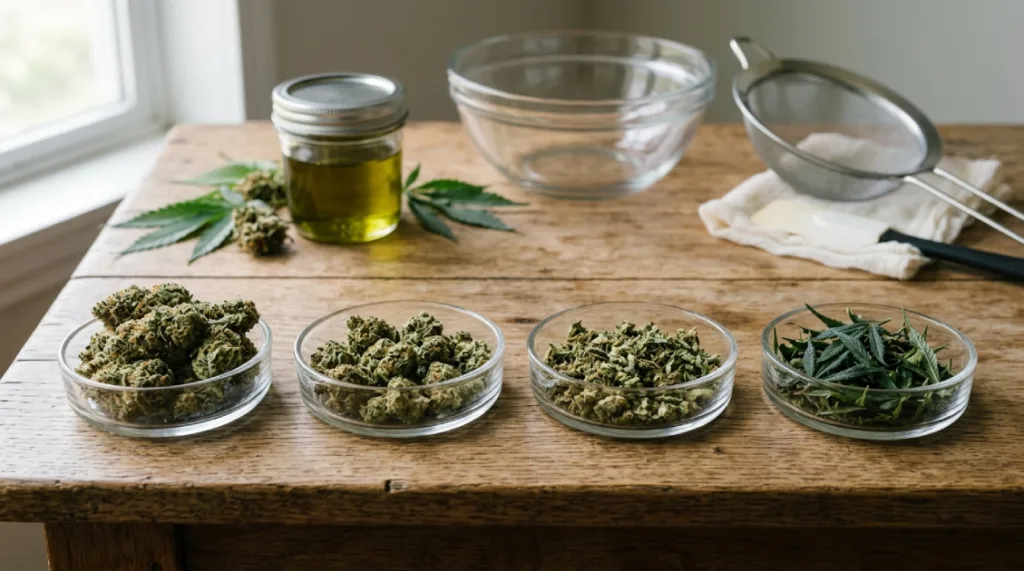
Several forms of cannabis can be used for infusions.
Flower
Whole flower remains the preferred choice for beginners because cannabinoid percentages are usually easier to estimate.
It also tends to produce the most consistent results.
Small Buds
Many dispensaries offer smaller buds at a lower price than premium top colas.
These often provide similar cannabinoid content while helping reduce the overall cost of homemade infusions.
Shake
Shake consists of the smaller pieces of flower that naturally collect during packaging and handling.
Quality shake can work well for canna oil, although potency may vary more than with whole flower.
Trim
Trim contains leaves removed during harvesting and processing.
While trim can be used for infusions, it generally contains fewer cannabinoids than flower and often produces a milder final product.
Which Cannabis Strain Should You Choose?
There is no single “best” strain for making canna oil.
Instead, your choice depends on the type of experience you’re hoping to create.
Many home cooks choose between:
- Indica strains
- Sativa strains
- Hybrid strains
- High-THC flower
- CBD-rich flower
Each cultivar contains its own unique cannabinoid and terpene profile, which can influence aroma, flavour, and overall character.
If you’re unsure where to begin, the knowledgeable team at Dank Mart can help you explore different flower options based on your preferences and intended recipes.
For first-time infusions, many people choose a consistent, lab-tested flower with clearly labelled cannabinoid content, making it easier to estimate the strength of the finished oil.
Understanding Decarboxylation
Before cannabis can be effectively infused into oil, it must first go through an important process known as decarboxylation.
This is one of the most critical steps in making canna oil—and one that beginners sometimes overlook.
Fresh cannabis naturally contains cannabinoids in their acidic forms.
For example:
- THCA instead of THC
- CBDA instead of CBD
Although these compounds have their own properties, THCA does not produce the same intoxicating effects commonly associated with THC.
Applying controlled heat removes a carboxyl group from these molecules, converting THCA into THC through decarboxylation. This process activates cannabinoids, making them far more suitable for edible preparations.
Without proper decarboxylation, much of the THC in your flower will remain inactive, resulting in significantly less potent cannabis oil.
Fortunately, decarboxylation is straightforward and requires only an oven, a baking tray, and careful temperature control.
In the next section, we’ll walk through the complete step-by-step process for decarboxylating cannabis correctly before beginning the infusion.
Supplies You’ll Need
One of the best things about making cannabidiol oil is that it doesn’t require expensive equipment. Most people already have everything they need in their kitchen.
Gather the following supplies before you begin:
- 7–10 grams of cannabis flower (or your preferred amount)
- 1 cup of coconut oil or another carrier oil
- Baking sheet
- Parchment paper
- Oven
- Medium saucepan, double boiler, slow cooker, or mason jar
- Fine mesh strainer
- Cheesecloth
- Heat-resistant bowl
- Airtight glass storage jar
- Kitchen thermometer (recommended)
- Silicone spatula or wooden spoon
A kitchen thermometer isn’t mandatory, but it helps maintain a consistent infusion temperature and reduces the risk of overheating your oil.
Step 1: Decarboxylate Your Cannabis
Decarboxylation is the foundation of a successful infusion. Without it, much of the THC or CBD remains in its inactive acidic form.
Oven Temperature
Preheat your oven to:
230–245°F (110–120°C)
Avoid significantly higher temperatures, as excessive heat can degrade cannabinoids and delicate terpenes that contribute to the cannabis plant’s aroma and flavour.
Preparing the Flower
Rather than grinding the flower into a fine powder, gently break it apart into small, evenly sized pieces.
This helps:
- expose more surface area
- encourage even heating
- Reduce the amount of plant material that passes through your strainer later
Spread the cannabis evenly across a parchment-lined baking tray.
Baking Time
Bake for approximately:
30–40 minutes
Halfway through the process, gently stir the cannabis to promote even heating.
When finished, the flower should appear:
- slightly darker than before
- dry to the touch
- lightly toasted
- aromatic without smelling burnt
If the cannabis turns very dark brown or black, it has likely been overheated.
Step 2: Combine Cannabis and Oil
Once your cannabis has cooled slightly, it’s ready to be infused.
Transfer the decarboxylated flower into your chosen cooking vessel.
Popular options include:
- saucepan
- double boiler
- slow cooker
- mason jar placed inside simmering water
Each method works well provided temperatures remain low and consistent.
Beginner Ratio
A reliable starting ratio is:
| 7–10 grams of cannabis | 1 cup carrier oil |
This produces a moderately potent infusion suitable for many recipes.
As you gain experience, you can adjust this ratio to create stronger or milder oils depending on your preferences.
Step 3: Infuse Slowly
Low temperatures are essential.
Maintain your oil between:
160–200°F (70–93°C)
The goal is gentle extraction—not boiling.
Avoid allowing the oil to reach a rolling boil, as excessive heat may reduce the quality of your finished infusion.
Recommended Infusion Times
| Time | Result |
| 2 hours | Good extraction |
| 3–4 hours | Ideal for most recipes |
| 5–6 hours | Maximum practical infusion |
Longer isn’t always better.
Once most cannabinoids have transferred into the oil, extending the infusion time generally produces diminishing returns while extracting more chlorophyll and plant compounds that may contribute to a stronger herbal flavour.
Occasionally stir the mixture throughout the infusion to help maintain even temperatures.
Step 4: Strain the Oil
Once infusion is complete:
- Remove the oil from the heat.
- Allow it to cool for approximately 15–20 minutes.
- Place cheesecloth over a fine mesh strainer.
- Slowly pour the oil through the cloth into a clean bowl.
Resist the temptation to squeeze the cheesecloth aggressively.
While doing so may recover a small amount of additional oil, it can also force undesirable plant particles through the cloth, producing a cloudier infusion with a stronger grassy taste.
Discard the remaining plant material after straining.
Step 5: Store Your Canna Oil
Transfer the finished oil into an airtight glass container.
Amber glass jars provide additional protection against light exposure, although any clean glass jar with a tight-fitting lid works well.
Store your oil in:
- Refrigerator for everyday use
- Pantry for short-term storage in cool environments
- Freezer for long-term preservation
Label each container with:
- preparation date
- cannabis strain
- estimated potency
- carrier oil used
Future-you will appreciate the organization.
How Strong Is Homemade Canna Oil?
One of the most common questions beginners ask is:
“How potent will my oil be?”
The honest answer is that every batch is different.
Several variables affect potency:
- cannabinoid percentage
- flower weight
- extraction efficiency
- decarboxylation efficiency
- amount of oil used
Fortunately, you can estimate potency surprisingly well.
Example Calculation
Suppose you use:
10 grams of flower
20% THC
Each gram contains approximately:
1,000 mg plant material
10 grams = 10,000 mg
20% THC
≈2,000 mg total THC
No homemade infusion extracts 100%.
Assuming approximately 80% overall efficiency:
2,000 mg × 0.80
≈1,600 mg THC
If infused into:
- 1 cup oil
There are approximately:
- 16 tablespoons
Meaning each tablespoon contains roughly:
100 mg THC
One teaspoon would contain approximately:
33 mg THC
Remember that these numbers are estimates rather than guarantees.
Laboratory testing is the only way to determine the exact cannabinoid content.
Beginner Dosing Guide
Homemade edibles affect everyone differently.
Factors include:
- body weight
- metabolism
- recent meals
- cannabis tolerance
- product potency
When trying a new batch, start conservatively.
| Experience | Suggested Starting Amount |
| First-time consumer | 2.5–5 mg THC |
| Occasional consumer | 5–10 mg THC |
| Experienced consumer | 10–20+ mg THC |
If you don’t know your oil’s exact potency, start with a very small amount.
You can always consume more later, but you cannot undo consuming too much.
After eating an edible:
Wait at least two hours before taking another serving.
Many unpleasant edible experiences happen because people assume nothing is happening after 30–60 minutes and consume additional servings too soon.
Patience is one of the most important ingredients when using homemade cannabis oil.
Cooking with Canna Oil
Once prepared, canna oil can replace ordinary oil in countless recipes.
Popular options include:
- Brownies
- Cookies
- Muffins
- Banana bread
- Chocolate
- Gummies
- Pasta sauces
- Stir-fries
- Salad dressings
- Popcorn
- Mashed potatoes
- Smoothies
Rather than replacing all of the oil in a recipe, many people substitute only part of the cooking oil with infused oil.
This allows easier control over serving sizes and overall potency.
Can You Bake with Cannabis Oil?
Yes.
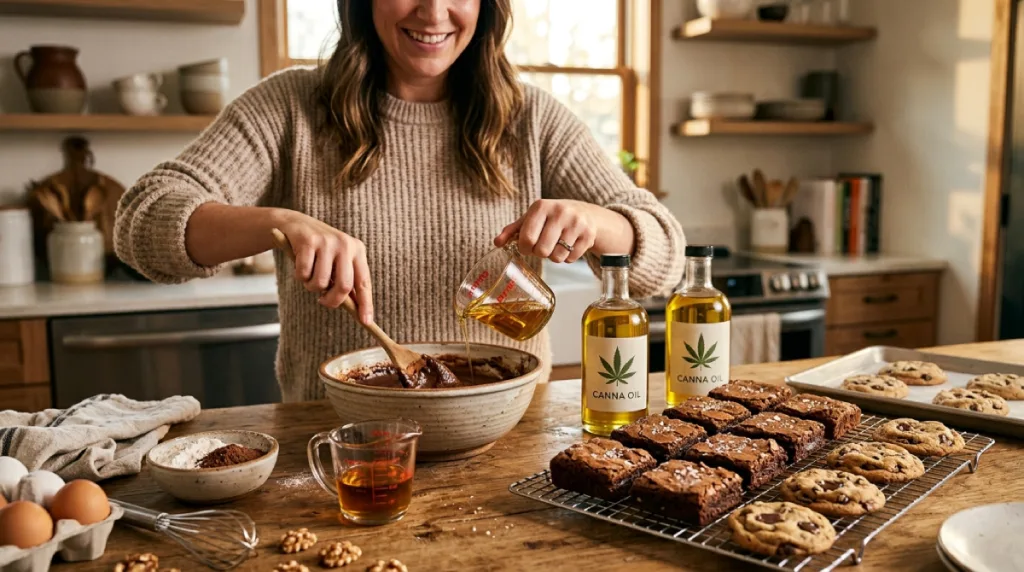
Cannabis-infused coconut oil performs exceptionally well in baking.
Although ovens may be set to temperatures of 325–375°F, the internal temperature of baked goods remains much lower because moisture regulates internal cooking temperatures.
For this reason, many recipes retain useful amounts of cannabinoids after baking.
Avoid unnecessarily overbaking recipes or exposing infused oil to prolonged high heat whenever possible.
Troubleshooting Common Problems
Even experienced home cooks occasionally encounter issues.
Fortunately, most are easy to correct.
My Oil Is Very Green
This usually means:
- The infusion time was too long
- cannabis was ground too finely
- Too much plant material entered the oil
The oil remains usable, although the flavour may be stronger.
My Oil Tastes Burnt
Likely causes include:
- overheating
- direct flame
- boiling the oil
- poor temperature control
Using a thermometer greatly reduces this risk.
My Coconut Oil Hardened
This is completely normal.
Simply allow it to reach room temperature or gently warm the jar before use.
My Oil Isn’t Strong Enough
Possible reasons include:
- skipped decarboxylation
- low-potency flower
- too much oil
- insufficient infusion time
Future batches can easily be adjusted by increasing the flower quantity or reducing the oil volume.
My Oil Smells Very Strong
Cannabis naturally produces a noticeable aroma during decarboxylation and infusion.
Many people reduce odour by:
- using mason jar infusion methods
- ensuring proper kitchen ventilation
- running exhaust fans
- using slow cookers with tight-fitting lids
While some smell is unavoidable, these methods can significantly reduce it.
How Long Does Canna Oil Last?
Proper storage helps preserve both flavour and potency.
Although cannabinoids are relatively stable when stored correctly, exposure to heat, oxygen, and sunlight gradually degrades both the oil and the naturally occurring compounds within it.
For best results, keep your infused oil in an airtight glass container in a cool, dark location.
General Storage Guidelines
| Storage Method | Approximate Shelf Life |
| Pantry (cool, dark) | 1–2 months |
| Refrigerator | 3–6 months |
| Freezer | Up to 12 months |
The type of carrier oil also affects shelf life. Coconut oil generally lasts longer than oils that contain higher amounts of unsaturated fats.
Signs Your Oil Has Spoiled
Discard your oil if you notice:
- A rancid or sour smell
- An unpleasant taste
- Visible mould
- Significant discoloration
- Separation accompanied by spoilage odours
When in doubt, throw it out.
Using fresh ingredients and storing your oil properly will produce the best flavour and the most consistent results.
Can You Make Canna Oil with Cannabis Concentrates?
Yes.
Although flower is the most beginner-friendly option, many experienced cannabis consumers also prepare infused oils using concentrates.
Popular choices include:
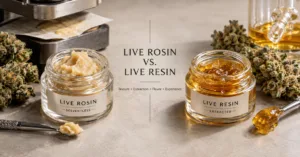
- Live Resin
- Rosin
- Distillate
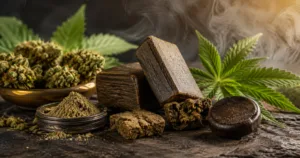
- Hash
- Rick Simpson Oil (RSO), where legally available
Because concentrates contain significantly higher cannabinoid concentrations than flower, dosing becomes much more challenging.
For example, one gram of cannabis distillate may contain over 850 mg of THC, making small measuring errors much more significant than when working with dried flower.
If you’re making homemade edibles for the first time, flower remains the easiest ingredient to work with because potency estimates are generally more predictable.
Once you’re comfortable calculating dosage and understanding infusion strength, experimenting with concentrates can offer additional flexibility for experienced home cooks.
Can You Make CBD Canna Oil?
Absolutely.
The process is nearly identical.
Simply replace THC-rich flower with CBD-rich cannabis.
The basic steps remain the same:
- Decarboxylate the flower.
- Infuse it into your chosen carrier oil.
- Strain the mixture.
- Store it properly.
Many people enjoy CBD-infused cooking oils in recipes where they prefer the characteristics of CBD-rich cannabis.
Choosing the Best Carrier Oil for Different Recipes
Although coconut oil is the most popular option, different recipes benefit from different oils.
| Carrier Oil | Best Uses |
| Coconut Oil | Brownies, cookies, gummies, chocolate, candy |
| Olive Oil | Pasta, bread dipping, salad dressings, and marinades |
| Avocado Oil | Roasted vegetables, stir-fries, and savoury meals |
| MCT Oil | Coffee, smoothies, beverages, and homemade capsules |
Selecting the right carrier oil allows you to create infusions that complement the recipes you prepare most often.
Common Beginner Mistakes to Avoid
Learning from common mistakes can save both time and cannabis.
Skipping Decarboxylation
Without proper decarboxylation, much of the THC remains inactive, producing significantly weaker oil.
Using Too Much Heat
Boiling cannabis oil doesn’t speed up extraction.
Instead, excessive heat may degrade cannabinoids and produce unpleasant flavours.
Low and slow always produces better results.
Grinding the Flower Too Finely
Powdered cannabis creates a difficult-to-filter mixture that often leaves your oil cloudy and bitter.
Breaking the flower into small pieces works much better.
Guessing Potency
Knowing approximately how much THC or CBD is in your flower makes dosing considerably easier.
Whenever possible, choose lab-tested cannabis products with clearly labelled cannabinoid percentages.
Taking Another Serving Too Soon
Edibles require patience.
Effects may not peak for two or more hours.
Many uncomfortable edible experiences happen because people assume the first serving wasn’t working and consume additional oil before the initial dose has fully taken effect.
Buying Quality Cannabis for Homemade Canna Oil
The quality of your finished infusion starts with the quality of your cannabis.
Fresh, well-cured flower generally produces better flavour, more consistent cannabinoid content, and a more enjoyable cooking experience than old or poorly stored material.
When selecting flowers, consider:
- Freshness
- Cannabinoid percentage
- Terpene profile
- Proper curing
- Reliable lab testing
Whether you’re looking for high-THC flower for potent edibles or CBD-rich cultivars for homemade CBD oil, choosing quality ingredients is one of the easiest ways to improve your final results.
Dank Mart carries a carefully selected range of high-quality cannabis products for adult consumers in legal markets, including:
-
- Premium indoor flower
- High-THC cultivars
- CBD-rich flower
- Hybrid strains
Using high-quality ingredients from the beginning helps produce cleaner, more consistent infusions every time.
Frequently Asked Questions
Is cannabidiol oil the same as cannabis oil?
Not always.
Canna oil generally refers to homemade cooking oil infused with cannabis flower, while cannabis oil is a broader term that may also include concentrated extracts such as CO₂ oils, distillates, or full-spectrum cannabis extracts.
Why is coconut oil the most popular option?
Coconut oil contains a high percentage of saturated fats, which efficiently dissolve cannabinoids.
It also has a mild flavour, long shelf life, and works exceptionally well in baking and confectionery recipes.
Can I use olive oil instead?
Yes.
Olive oil is an excellent choice for savoury cooking, salad dressings, and Mediterranean-inspired dishes.
Can I use shake instead of flower?
Absolutely.
Quality shake can produce excellent infused oil, although cannabinoid content may vary more than with whole flower.
Can I make cannabidiol oil without decarboxylating first?
Technically, yes, but your finished oil will be significantly less effective because many cannabinoids will remain in their inactive acidic forms.
Decarboxylation is strongly recommended.
How much cannabis should I use?
A common beginner ratio is:
7–10 grams of cannabis per cup of oil
From there, you can adjust future batches depending on your preferred potency.
Can I freeze cannabidiol oil?
Yes.
Freezing extends shelf life and helps preserve cannabinoids for long-term storage.
Allow frozen oil to thaw naturally before use.
Can I reuse the leftover cannabis after straining?
Most cannabinoids have already been extracted during infusion.
While some people reuse the plant material in recipes or compost it, the remaining potency is generally low.
Does homemade canna oil smell during cooking?
Yes.
Decarboxylation produces the strongest aroma.
Using mason jars or slow-cooker methods, combined with good ventilation, can help reduce odours.
Is homemade cannabutter oil stronger than store-bought edibles?
Not necessarily.
Commercial products are often laboratory tested for precise cannabinoid content, while homemade infusions vary depending on flower quality, extraction efficiency, and recipe ratios.
Final Thoughts
Making cannabidiol oil at home is one of the easiest ways to unlock the versatility of cannabis in the kitchen.
With only a few simple tools, quality flower, and careful attention to temperature, you can prepare an infused oil suitable for countless homemade recipes.
The most successful batches all follow the same principles:
- Start with quality cannabis.
- Decarboxylate it correctly.
- Infuse slowly at low temperatures.
- Strain carefully.
- Store properly.
- Dose responsibly.
As you gain experience, you’ll discover the ideal carrier oils, flower-to-oil ratios, and recipes that best match your preferences.
Whether you’re preparing classic brownies, savoury pasta dishes, infused chocolates, or homemade gummies, a well-made batch of canna oil provides a flexible foundation for creating consistent homemade edibles.
If you’re ready to begin your first infusion, DankMart.co offers a wide selection of premium cannabis flower, concentrates, pre-rolls, edibles, and accessories to help you source quality ingredients for your next homemade recipe.
References:
McDermott, A. (Medically reviewed by Natalie Olsen, R.D., L.D., ACSM EP-C). (Updated June 29, 2026). What Is a Carrier Oil? Available at: https://www.healthline.com/health/carrier-oil
Ferguson, S. (Medically reviewed by Debra Rose Wilson, Ph.D., MSN, R.N., IBCLC, AHN-BC, CHT). (Updated March 8, 2019). A Beginner’s Guide to Marijuana Strains. Available at: https://www.healthline.com/health/beginners-guide-to-marijuana-strains
Leafly. (April 28, 2026). What Is Decarboxylation? Available at: https://www.leafly.com/learn/consume/edibles/what-is-decarboxylation
Dr. Louisa Degenhardt, Ph.D, AO, FAA, FASSA, FAHMS

About author


Add comment