

Indica Effects for Sleep: Does Indica Really Make You Sleepy? (Science Explained)
If you’ve ever browsed cannabis products, you’ve probably heard the classic rule:
Indica makes you sleepy. Sativa gives you energy.
It’s simple. Easy to remember. And… not entirely true.
While many people swear that indica strains help them relax and fall asleep faster, modern cannabis science tells a more nuanced story. The truth is, whether a strain makes you sleepy depends less on the word “indica” and more on what’s inside the plant—specifically cannabinoids like THC and aromatic compounds called terpenes.
So, does indica actually make you sleepy?
Sometimes—but not always.
In this guide, we’ll break down:
- What indica really does to your body and mind
- Why it’s associated with sleep
- The role of THC, CBD, and terpenes like myrcene
- When indica helps (and when it doesn’t)
- How to choose the right strain for better sleep
By the end, you’ll understand how to go beyond labels and choose cannabis products based on science, not myths.
Does Indica Make You Sleepy? (Quick Answer)
Indica cannabis strains can make you feel sleepy, but it depends on their chemical profile—not just the label.
Strains high in:
- Myrcene (a sedating terpene)
- Moderate THC levels
- Calming compounds like CBD or linalool
…are more likely to promote relaxation and sleep.
Meanwhile, a high-THC indica with stimulating terpenes might actually make you feel anxious or mentally active instead.
👉 Bottom line:
Indica is a clue—not a guarantee.
What Does Indica Do?
Traditionally, indica strains are associated with a “body high.” That means the effects are felt more physically than mentally.
Common indica effects include:
- Deep physical relaxation
- Muscle release and tension relief
- Calm or slowed mental activity
- Drowsiness or sleepiness
Many users describe the sensation as:
“Heavy,” “couch-lock,” or “melting into the bed.”
This is why indica is often recommended for:
- Evening use
- Stress relief
- Pain management
- Sleep support
But here’s the catch:
These effects are not caused by the indica label itself.
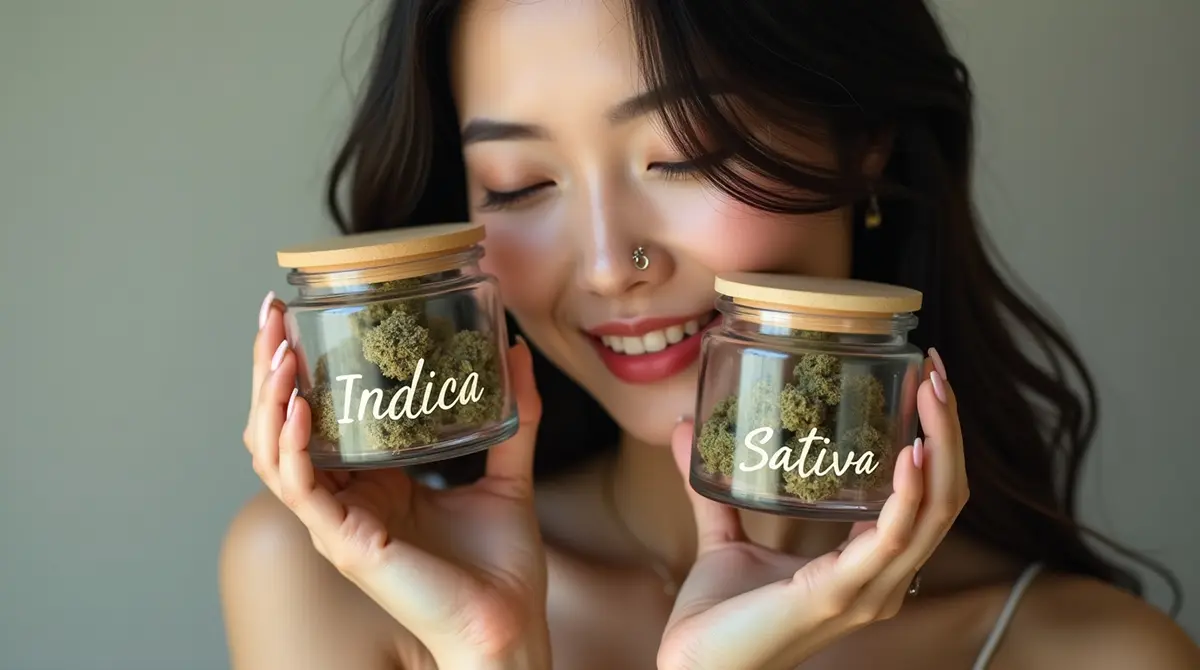
Indica vs. Sativa: Why the Old System Is Misleading
The indica vs. sativa system originally came from how cannabis plants looked—not how they made you feel.
Indica plants:
- Short and bushy
- Faster flowering
- Native to regions like Afghanistan and India
Sativa plants:
- Tall and narrow
- Longer flowering cycles
- Found in equatorial regions
For decades, people assumed:
- Indica cannabis strains = relaxing
- Sativa cannabis strains = energizing
But modern research shows that this classification is too simplistic.
Most cannabis today is:
Hybridized (a mix of indica and sativa genetics)
And more importantly:
Effects depend on chemical composition—not plant shape.
The Real Drivers of Indica Effects
To understand why some strains make you sleepy, you need to look at two key components:
1. Cannabinoids
These are the active compounds in cannabis.
THC (Tetrahydrocannabinol)
- Responsible for the “high”
- Can promote relaxation at lower doses
- Can cause anxiety or stimulation at higher doses
CBD (Cannabidiol)
- Non-intoxicating
- May reduce anxiety
- Can balance THC’s effects
👉 For sleep:
- Moderate THC + some CBD = often more calming than high THC alone
2. Terpenes (The Hidden Key)
Terpenes are aromatic compounds that influence both smell and effects.
They play a huge role in whether a strain feels relaxing or stimulating.
Key Sleep-Related Terpenes
Myrcene
- Most associated with sedation
- Found in many “indica-like” strains
- Linked to muscle relaxation
Linalool
- Also found in lavender
- Known for calming and anti-anxiety effects
Caryophyllene
- May reduce inflammation and stress
👉 Important insight:
A strain high in myrcene can feel sedating—even if it’s labeled sativa.
The Entourage Effect: Why Everything Works Together
Cannabis compounds don’t work in isolation.
They interact in what’s called the entourage effect—a synergy between:
- Cannabinoids (THC, CBD)
- Terpenes (myrcene, linalool, etc.)
This is why:
- Two strains with the same THC level can feel completely different
- Labels alone don’t predict your experience
Why Indica Is Linked to Sleep
The idea that indica helps with sleep didn’t come out of nowhere.
Many users report:
- Falling asleep faster
- Feeling physically relaxed
- Experiencing deeper rest
Some research supports this:
- THC may reduce the time it takes to fall asleep
- Cannabis may help people with chronic pain sleep better
However, results vary depending on:
- Dose
- Frequency of use
- Individual tolerance
When Indica Helps With Sleep
Indica-like strains are more likely to help if you:
1. Struggle to Fall Asleep
Relaxing effects may help quiet the body and mind.
2. Experience Nighttime Anxiety
Calming terpenes can reduce mental overactivity.
3. Have Physical Discomfort
Muscle relaxation can ease pain-related sleep issues.
4. Need a Wind-Down Routine
Cannabis can signal your body that it’s time to rest.
When Indica Might NOT Help
Indica isn’t a universal sleep solution.
It may not work well if:
1. THC Is Too High
High doses can cause:
- Racing thoughts
- Anxiety
- Increased heart rate
2. You’re Sensitive to Cannabis
Some people react strongly even to small amounts.
3. You Use It Too Often
Frequent use may:
- Reduce sleep quality over time
- Lower deep sleep stages
👉 Balance is key.
The Role of Myrcene in Sleep
If there’s one compound most linked to “indica effects,” it’s myrcene.
What Myrcene Does:
- Promotes muscle relaxation
- Enhances THC effects
- Contributes to sedation
Strains with higher myrcene levels tend to feel:
- Heavier
- More calming
- More sleep-inducing
👉 This is why many experts say:
Focus on terpene content—not indica vs sativa labels.
Indica Effects on the Body
Indica-leaning strains are often described as deeply physical.
You may feel:
- Slower movement
- Relaxed muscles
- Reduced tension
- A heavy or grounded sensation
These effects can be especially helpful for:
- Chronic pain
- Muscle spasms
- Physical stress
Indica Effects on the Mind
While indica is known for body effects, it also impacts the mind.
Possible mental effects include:
- Quieted thoughts
- Reduced stress
- Mental calm
However, high THC levels may cause:
- Anxiety
- Overthinking
Again, this highlights the importance of dose and composition.
How to Choose the Right Indica Strain for Sleep
Instead of relying on labels, look for these factors:
1. THC Level
- Best range for sleep: 10–20%
- Too high = overstimulation for some users
2. Terpene Profile
Look for:
- High myrcene
- Linalool
- Caryophyllene
3. Cannabinoid Balance
- Some CBD can reduce anxiety
- Balanced profiles are often more predictable
4. User Reviews
Look for words like:
- “Sedating”
- “Couch-lock”
- “Relaxing”
Indica vs Hybrid: Which Is Better for Sleep?
Most modern strains are hybrids.
A hybrid cannabis strain can still be sleep-friendly if it has:
- Sedating terpenes
- Moderate THC
- Calming effects
👉 Instead of asking:
“Is it indica?”
Ask:
- What are the terpene levels?
- How does it actually make people feel?
How You Consume Cannabis Matters
The method of use can significantly affect sleep outcomes.
Smoking or Vaping
- Fast onset (minutes)
- Easier to control dose
- Shorter duration
Edibles
- Slower onset (1–2 hours)
- Longer-lasting effects
- Often more sedating
👉 For sleep:
- Edibles may help you stay asleep longer
- Smoking may help you fall asleep faster
Timing Your Cannabis Use for Sleep
Timing is crucial for effectiveness.
General guidelines:
- Smoking/vaping → 30–60 minutes before bed
- Edibles → 1–2 hours before bed
This allows your body to:
- Relax
- Transition into sleep mode
Potential Side Effects
Indica effects are usually mild, but side effects can include:
- Dry mouth
- Dizziness
- Grogginess the next day
- Increased appetite
High THC may also cause anxiety in some users.
If you’re unsure, consult a healthcare professional.
What Science Says About Indica and Sleep
Current research suggests:
- THC may help reduce sleep onset time
- Cannabis may help with pain-related sleep issues
- Terpenes likely influence sedation
However:
Research is still evolving, and results vary widely between individuals.
FAQ: Indica and Sleep
Is indica better than sativa for sleep?
Often yes, but terpene profile matters more than the label.
Can indica cause anxiety?
Yes—especially at high THC levels.
How much indica should I take for sleep?
Start low (2.5–5mg THC equivalent) and increase slowly.
Why does indica not make me sleepy?
Your strain may lack sedating terpenes, or THC may be too high.
The Bottom Line: Is Indica Really for Sleep?
Indica is often associated with sleep—but it’s not the full story.
Whether cannabis helps you sleep depends on:
- THC levels
- Terpenes like myrcene
- Your individual response
👉 Think of “indica” as a starting point—not a guarantee.
Explore Indica Strains at Dank Mart
If you’re looking to find a cannabis product that actually helps you sleep, the key is understanding what works for your body—not just relying on labels.
At DankMart.co, you can explore a wide range of indica and indica-leaning strains with detailed descriptions, helping you choose based on:
- THC levels
- Terpene profiles
- Reported effects
Whether you’re new to cannabis or refining your routine, taking a more informed approach can make all the difference.
Final Thought
The biggest shift in cannabis education today is simple:
Stop asking “Is it indica?”
Start asking “What’s inside it?”
That’s where real results—and better sleep—begin.
References:
Dresden, D., Medically reviewed by Theisen, E., RN, MSN, AGPCNP-BC. (2024, January 26). What’s the difference between indica and sativa? Medical News Today. Available At: https://www.medicalnewstoday.com/articles/indica-vs-sativa
Robertson, K., Medically reviewed by A. Nguyen, PharmD, RPh, CPh. (2025, May 20). Your Guide to Indica Strains. Healthline. Available at: https://www.healthline.com/health/indica-strains
Dr. Louisa Degenhardt, Ph.D, AO, FAA, FASSA, FAHMS


About author



Add comment