
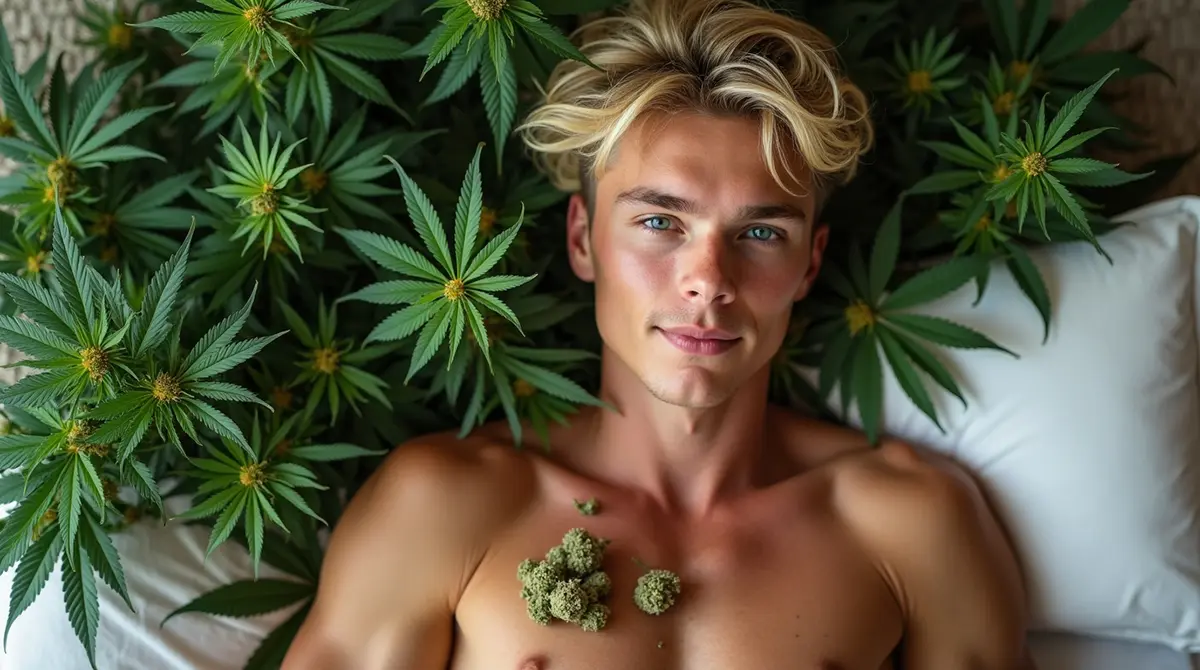
What Is Cannabis? Understanding This Popular Plant
Cannabis is one of the most talked-about plants in the world—but it’s also one of the most misunderstood.
For some people, it represents relaxation and wellness. For others, it’s associated with medicine, creativity, or even controversy. So what is cannabis, really?
At its core, cannabis is a naturally occurring plant with a long history of human use. But beyond that simple definition lies a complex system of compounds, effects, and cultural significance that continues to evolve today.
In this guide, you’ll learn:
- What cannabis is and how it works
- The key compounds inside the plant
- The different types of cannabis
- How people use it
- Potential benefits and risks
- What to know before trying it
Whether you’re completely new or just looking to deepen your understanding, this guide will give you a clear, balanced, and practical overview.
What Is Cannabis?
Cannabis is a genus of flowering plants that contains compounds capable of interacting with the human body in unique ways. These compounds are called cannabinoids, and they are responsible for most of the plant’s effects.
The cannabis plant has been used for thousands of years for a wide range of purposes, including:
- Medicine
- Textiles (hemp fiber)
- Food and oils
- Ritual and cultural practices
Today, cannabis is most commonly associated with wellness and recreational use.
The Key Compounds: THC, CBD, and More
One of the most important things to understand about cannabis is that it’s not just one thing—it’s made up of dozens of active compounds.
THC (Tetrahydrocannabinol)
- The primary psychoactive compound
- Responsible for the “high” feeling
- Can affect mood, perception, and coordination
CBD (Cannabidiol)
- Non-intoxicating (does not cause a high)
- Often associated with relaxation and balance
- Widely used in wellness products
Other Cannabinoids
Cannabis also contains many lesser-known cannabinoids such as:
- CBG (Cannabigerol)
- CBN (Cannabinol)
- CBC (Cannabichromene)
These compounds are still being studied, but they may contribute to cannabis’s overall effects.
What Are Terpenes?
Beyond cannabinoids, cannabis contains terpenes—aromatic compounds that give each strain its unique smell and flavor.
Examples include:
- Myrcene – earthy, calming
- Limonene – citrusy, uplifting
- Pinene – fresh, pine-like
Terpenes may also influence how cannabis feels, working together with cannabinoids in what’s often called the “entourage effect.”
A Quick History of Cannabis
Cannabis has been part of human civilization for thousands of years.
- Ancient China: Used for medicine and textiles
- India: Incorporated into spiritual and cultural practices
- Middle East: Used for both medicinal and recreational purposes
- Europe & Americas: Hemp used for rope, sails, and paper
In the 20th century, cannabis became heavily restricted in many parts of the world. However, in recent decades, attitudes and laws have shifted significantly.
Today, cannabis is legal for medical and/or recreational use in many regions, particularly in parts of the United States.
The Cannabis Plant: What It Looks Like
Cannabis plants are distinctive and recognizable.
Key Parts of the Plant
- Leaves: Fan-shaped with serrated edges
- Flowers (Buds): The most valuable part, rich in cannabinoids
- Stems and Stalks: Provide structure; used in hemp products
- Seeds: Used for cultivation and oil production
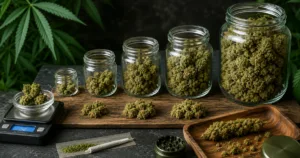
The cannabis flowers are where most of the cannabinoids and terpenes are concentrated, making them the primary focus for consumption.
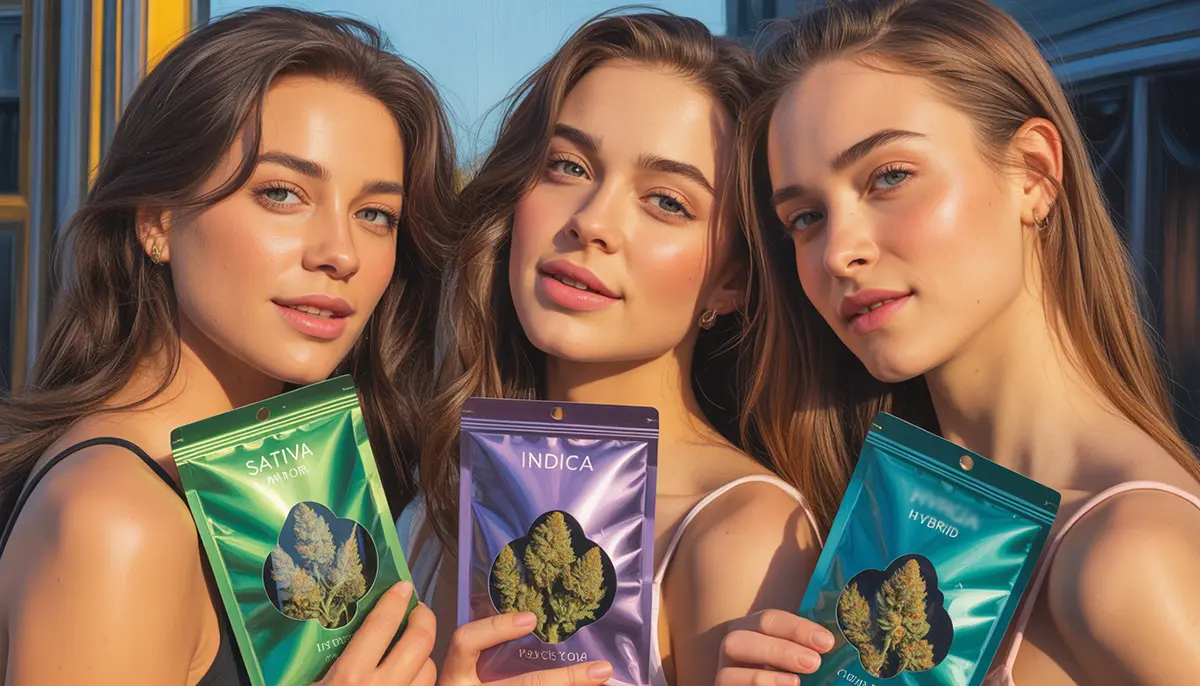
Types of Cannabis: Sativa, Indica, and Hybrid
Cannabis is often categorized into three main types:
- Typically associated with uplifting, energizing effects
- Often used during the day
- Commonly linked to relaxation and calming effects
- Often used in the evening
- A mix of sativa and indica characteristics
- Effects vary depending on the specific strain
👉 Important note: Modern research suggests that effects depend more on chemical composition (cannabinoids + terpenes) than these categories alone—but the labels are still widely used.
Hemp vs. Marijuana: What’s the Difference?
This is one of the most common points of confusion.
Hemp
- Contains less than 0.3% THC
- Non-intoxicating
- Used for CBD products, textiles, and food
Marijuana
- Contains higher levels of THC
- Produces psychoactive effects
- Used for medical and recreational purposes
This distinction is important because it affects legality, usage, and product types.
How Cannabis Works in the Body
Cannabis interacts with a system in your body called the endocannabinoid system (ECS).
What Is the ECS?
The ECS helps regulate:
- Sleep
- Mood
- Appetite
- Memory
- Pain perception
How Cannabis Interacts
- THC binds directly to receptors in the brain → psychoactive effects
- CBD works indirectly → may support balance and regulation
This is why cannabis can produce such a wide range of effects—and why experiences can differ from person to person.
Common Ways to Use Cannabis
There are several ways people consume cannabis, each with different onset times and effects.
Smoking
- Fast-acting
- Traditional method
Vaping
- Heats cannabis without burning
- Often considered smoother
Edibles
- Foods or drinks infused with cannabis
- Slower onset (30–120 minutes)
- Longer-lasting effects
Tinctures
- Liquid extracts taken under the tongue
- Moderate onset time
Topicals
- Creams and balms applied to the skin
- Typically non-intoxicating
Each method offers a different experience, so choosing the right one depends on your goals and comfort level.
Cannabis and Wellness
Many people use cannabis as part of their wellness routine.
Common reasons include:
- Relaxation and stress relief
- Sleep support
- Temporary pain relief
- Appetite stimulation
Research into cannabis is ongoing, and while there is promising evidence in some areas, it’s important to remember:
👉 Cannabis is not a one-size-fits-all solution.
Effects can vary based on:
- Dosage
- Individual biology
- Product type
Potential Risks and Side Effects
While cannabis has potential benefits, it’s important to understand the risks.
Possible Side Effects
- Dry mouth
- Dizziness
- Increased heart rate
- Anxiety (especially with high THC)
- Impaired memory and coordination
Important Considerations
- High doses of THC may cause discomfort
- Not recommended for certain individuals without guidance
- Can interact with medications
If you’re unsure, it’s always best to consult a qualified professional.

Is Cannabis Legal?
Cannabis laws vary depending on location.
In the United States:
- Some states allow recreational and medical use
- Others allow medical use only
- A few still prohibit cannabis entirely
At the federal level, cannabis remains classified as a controlled substance.
👉 Always check your local laws before purchasing or using cannabis.
Tips for Beginners
If you’re new to cannabis, starting carefully can make a big difference in your experience.
Start Low and Go Slow
Begin with a small amount and increase gradually.
Be Patient (Especially with Edibles)
Effects can take time to appear.
Choose the Right Environment
Use cannabis in a safe, comfortable setting.
Learn About the Product
Understand THC/CBD levels and strain characteristics.
Stay Hydrated
Drink water to reduce minor side effects.
Cannabis in Modern Culture
Cannabis is no longer just a niche topic—it’s a major part of modern culture.
It’s influencing:
- Wellness trends
- Skincare products
- Food and beverages
- Social and creative communities
The cannabis leaf itself has become a symbol of:
- Relaxation
- Natural living
- Changing social attitudes
Exploring Cannabis Responsibly
As cannabis becomes more accessible, education becomes even more important.
Understanding:
- What you’re using
- How it affects you
- How to use it responsibly
…can make the experience safer and more enjoyable.
If you’re interested in exploring cannabis products, platforms like Dank Mart offer a wide range of options designed for different needs and experience levels.
Whether you’re looking for beginner-friendly products or something more tailored, having access to a trusted source can make all the difference.
Frequently Asked Questions (FAQ)
Does CBD get you high?
No. CBD is non-intoxicating and does not produce a “high.”
How long do cannabis effects last?
- Smoking/vaping: 1–3 hours
- Edibles: 4–8 hours (or longer)
Is cannabis addictive?
Some people can develop dependence, though the risk is generally lower compared to many substances.
What’s the best type for beginners?
Products with low THC and balanced CBD are often recommended for beginners.
Conclusion
So, what is cannabis?
It’s a complex, versatile plant with a long history and a growing role in modern life. From its unique compounds to its wide range of uses, cannabis offers both opportunities and challenges.
Understanding how it works—and how to use it responsibly—is key to having a positive experience.
Whether you’re exploring cannabis for wellness, curiosity, or recreation, taking the time to learn puts you in control.
And if you’re ready to take the next step, trusted sources like Dank Mart can help guide you toward products that fit your lifestyle and preferences.
References:
Watson, S., Painter, K. Medically Reviewed by Begum, J., MD (2024, January 09). Medical Marijuana: Benefits and Side Effects. Available at: https://www.webmd.com/a-to-z-guides/medical-marijuana-faq
Pietrangelo, A., Medically reviewed by Chen J., MD, MBA (2023, May 24). The Effects of Cannabis on Your Body. Available at: https://www.healthline.com/health/effects-of-cannabis-on-body
Dr. Louisa Degenhardt, Ph.D, AO, FAA, FASSA, FAHMS

About author


Add comment