
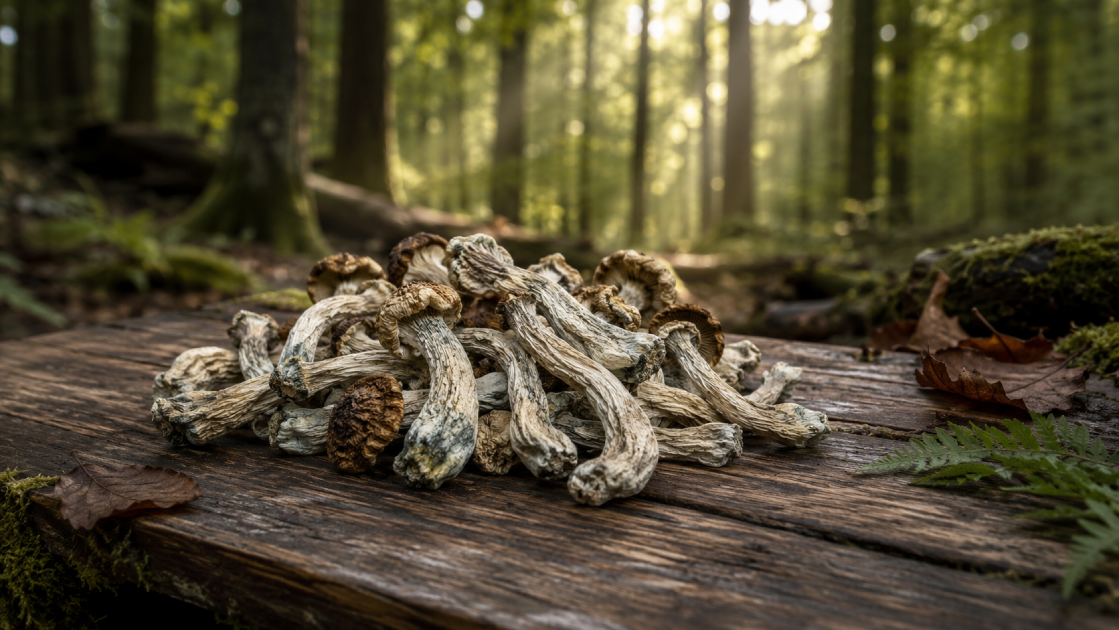
B+ Mushrooms Explained: Origins, Effects, Research, Safety, and What to Know
B+ mushrooms are among the most recognized names in the world of psilocybin mushrooms. Whether you’re researching psychedelic fungi out of scientific curiosity, following developments in mental health research, or simply trying to understand why B+ mushrooms are discussed so frequently online, this guide provides a comprehensive overview of what makes this variety so well known.
Interest in psilocybin mushrooms has grown dramatically over the past decade. Researchers at leading institutions have studied psilocybin for its potential role in mental health treatment, while lawmakers in some regions have begun exploring policy reforms related to psychedelic substances. As public awareness grows, so does the need for accurate, balanced, and trustworthy information.
In this guide, we’ll explore what B+ mushrooms are, how they fit into the broader category of psilocybin mushrooms, what current research says about their effects, common misconceptions, safety considerations, legal issues, and the future of psychedelic science.
What Are B+ Mushrooms?
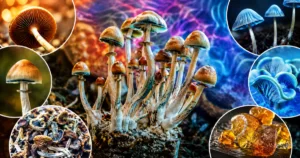
B+ mushrooms are a strain of Psilocybe cubensis, one of the most widely recognized species of psilocybin-containing mushrooms.
Within cultivation and enthusiast communities, B+ mushrooms are often described as a resilient and adaptable variety. They have gained popularity due to their reputation for vigorous growth characteristics and their long-standing presence within the psychedelic mushroom community.
Like other Psilocybe cubensis varieties, B+ mushrooms naturally contain psilocybin and psilocin. These compounds interact with serotonin receptors in the brain and are responsible for the psychological effects associated with psychedelic mushrooms.
Although strain names are commonly used within mushroom communities, it’s important to understand that scientific research has not established that individual Psilocybe cubensis strains consistently produce dramatically different experiences. Factors such as potency, growing conditions, storage, individual biology, mindset, and environment often play a larger role than strain name alone.
Understanding Psilocybin Mushrooms
To understand B+ mushrooms, it helps to understand psilocybin mushrooms as a whole.
Psilocybin mushrooms are naturally occurring fungi that contain psychoactive compounds capable of altering perception, cognition, mood, and sensory processing.
These mushrooms have been used in various cultures for centuries and have become the subject of growing scientific research in recent years.
When consumed, psilocybin is converted by the body into psilocin. Researchers believe psilocin primarily influences serotonin receptors, particularly the 5-HT2A receptor, which is associated with perception, mood regulation, cognition, and consciousness.
Scientists continue investigating how these neurological interactions may contribute to therapeutic outcomes in controlled clinical settings.
Why Are B+ Mushrooms So Popular?
Several factors contribute to the popularity of B+ mushrooms.
Longstanding Reputation
B+ mushrooms have been discussed within mushroom communities for decades. Their long history has helped establish widespread name recognition among enthusiasts and researchers alike.
Accessibility of Information
Compared to some lesser-known varieties, there is a substantial amount of information available regarding B+ mushrooms, making them one of the most frequently researched strains online.
Cultivation Interest
Although this article does not provide cultivation instructions, B+ mushrooms are often referenced in cultivation discussions because of their reputation for adaptability.
Community Recognition
For many people first learning about psychedelic mushrooms, B+ is often one of the earliest strain names they encounter.
What Makes B+ Mushrooms Different?
One of the most common questions people ask is whether B+ mushrooms produce effects that are unique compared to other strains.
The answer is more complicated than many online discussions suggest.
While users often describe certain strains as having distinct personalities or characteristics, scientific evidence supporting consistent strain-specific experiences remains limited.
Researchers generally focus on:
- Psilocybin content
- Psilocin content
- Individual biology
- Set and setting
- Psychological expectations
- Environmental influences
These factors appear to have a greater impact on experiences than marketing labels or strain names.
This doesn’t mean strain discussions are meaningless. Rather, it means anecdotal reports should not be confused with established scientific conclusions.
How Psilocybin Affects the Brain
One reason psilocybin research has attracted significant scientific interest is its effect on brain networks.
Studies using modern brain imaging technologies suggest that psilocybin temporarily alters communication patterns within the brain.
Researchers have observed changes involving:
- The Default Mode Network (DMN)
- Emotional processing systems
- Cognitive flexibility
- Sensory integration pathways
Some scientists believe these changes may help explain why certain individuals report shifts in perspective, increased emotional awareness, or altered patterns of thinking during controlled psychedelic experiences.
Importantly, research in this area remains ongoing, and many questions have yet to be answered.
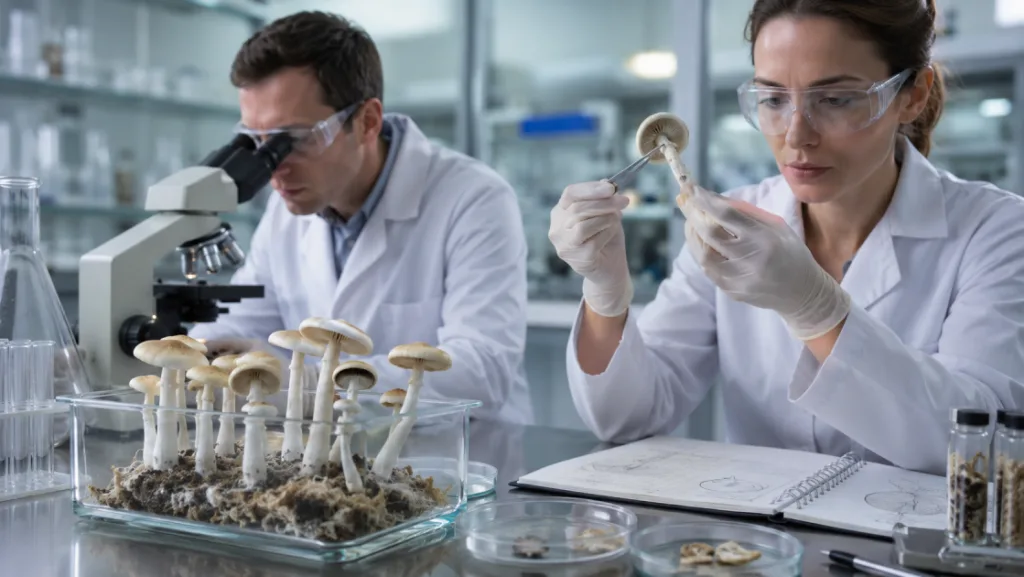
Current Research Into Psilocybin
Scientific interest in psilocybin has accelerated significantly.
Major institutions conducting research include:
- Johns Hopkins University
- Imperial College London
- NYU Langone Health
- University of California system
- Yale University
Researchers have explored psilocybin’s potential role in studying:
Depression
Several clinical studies have examined whether psilocybin-assisted therapy may help individuals experiencing treatment-resistant depression.
Anxiety
Research has investigated psilocybin-assisted therapy in patients facing serious illnesses and end-of-life anxiety.
Addiction
Scientists have studied potential applications related to smoking cessation and substance-use disorders.
PTSD
Although research remains ongoing, investigators continue examining psychedelic-assisted therapies for trauma-related conditions.
Mental Health Resilience
Researchers are also exploring how psychedelic experiences may influence emotional processing, self-reflection, and cognitive flexibility.
It is important to note that much of this research occurs in highly controlled clinical environments under professional supervision.
Common Experiences Reported by Users
Experiences involving psilocybin mushrooms vary substantially between individuals.
Research and anecdotal reports frequently describe changes involving:
Visual Perception
Some individuals report intensified colours, enhanced pattern recognition, or altered visual processing.
Emotional Awareness
Many people describe increased emotional sensitivity or deeper reflection.
Altered Sense of Time
Changes in time perception are commonly reported.
Enhanced Appreciation
Some users report heightened appreciation for music, art, nature, or interpersonal relationships.
Introspection
Many accounts describe increased self-reflection and examination of personal experiences.
Not everyone experiences these effects in the same way, and responses can vary significantly.
The Importance of Set and Setting
Among researchers and experienced observers, few concepts are considered more important than “set and setting.”
Set
Refers to:
- Mindset
- Expectations
- Emotional state
- Current psychological condition
Setting
Refers to:
- Physical environment
- Social environment
- Overall surroundings
Research consistently suggests that mindset and environment strongly influence psychedelic experiences.
Because of this, modern clinical research places considerable emphasis on preparation, support, and environmental design.
Risks and Safety Considerations
Although psilocybin is often described as having relatively low physical toxicity compared to many substances, this should not be interpreted as meaning it is risk-free.
Important considerations include:
Psychological Distress
Some individuals may experience:
- Anxiety
- Confusion
- Fear
- Emotional discomfort
Impaired Judgment
Altered perception may affect decision-making abilities.
Mental Health Vulnerabilities
Individuals with certain psychiatric conditions may face increased risks.
Unpredictability
Effects can vary significantly between people and situations.
Product Misidentification
One of the most serious risks associated with wild mushrooms involves mistaken identification.
Many mushroom species look similar, and consuming unidentified mushrooms can be dangerous.
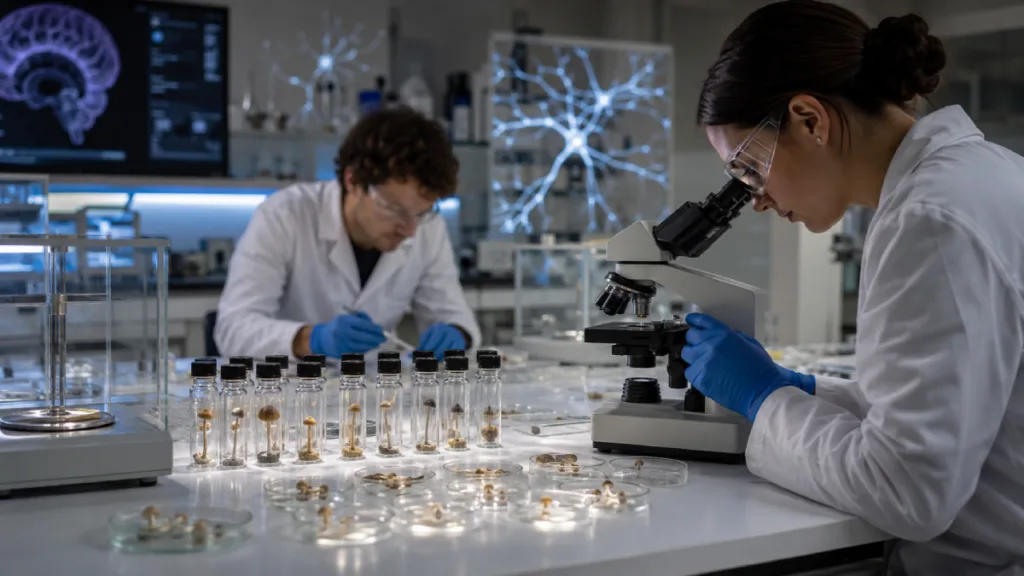
Understanding Microdosing Research
Microdosing has become one of the most discussed topics in psychedelic research.
Generally, the term refers to the use of very small amounts of psychedelic substances to avoid significant perceptual alterations.
Supporters often claim benefits involving:
- Creativity
- Focus
- Productivity
- Mood
However, the scientific picture remains mixed.
Some studies suggest potential benefits.
Others indicate that expectation effects and placebo responses may explain a significant portion of reported outcomes.
Researchers continue investigating the phenomenon, and definitive conclusions have not yet been reached.
B+ Mushrooms and Mental Health Research
One reason interest in B+ mushrooms continues growing is the broader attention being given to psychedelic science.
Scientists are increasingly interested in understanding:
- Consciousness
- Neuroplasticity
- Emotional processing
- Cognitive flexibility
The compounds found in psilocybin mushrooms offer researchers a unique opportunity to study how changes in brain activity influence human experience.
While public enthusiasm has grown rapidly, experts caution against assuming research findings automatically translate into broad medical recommendations.
Clinical science requires years of rigorous testing before treatments become widely accepted.
Legal Status of Psilocybin Mushrooms
The legal status of psilocybin mushrooms varies significantly around the world.
Some jurisdictions:
- Prohibit possession entirely
- Allow limited research use
- Have decriminalized certain activities
- Permit regulated therapeutic programs
Laws continue evolving rapidly.
Anyone researching psilocybin mushrooms should verify the laws that apply within their own jurisdiction before making assumptions about legality.
Because regulations frequently change, local government sources remain the most reliable reference.
Common Misconceptions About B+ Mushrooms
Myth: Every B+ Mushroom Produces the Same Effects
Reality:
Individual experiences vary widely.
Myth: Strain Names Determine Everything
Reality:
Potency, environment, mindset, and biology often matter more.
Myth: Natural Means Risk-Free
Reality:
Natural substances can still carry risks and should be approached carefully.
Myth: Research Has Answered All Questions
Reality:
Psychedelic science remains an active and evolving field.
Many important questions remain unanswered.
B+ Mushrooms vs Other Popular Strains
Several strain names frequently appear alongside B+ mushrooms.
These include:
- Golden Teacher
- Penis Envy
- Amazonian
- Mazatapec
- Treasure Coast
Most differences discussed online are based primarily on community observations rather than controlled scientific evidence.
Because potency can vary even within the same strain, comparisons should be viewed cautiously.
The Future of Psychedelic Research
The coming years may significantly expand our understanding of psilocybin.
Areas receiving growing attention include:
- Depression treatment
- Anxiety disorders
- Addiction recovery
- Neuroplasticity
- Brain network dynamics
- Consciousness research
As new studies emerge, scientists will continue evaluating both the opportunities and limitations of psychedelic compounds.
This research may ultimately shape future medical, psychological, and policy discussions worldwide.
Why Education Matters
Interest in psilocybin mushrooms is increasing faster than ever.
Unfortunately, misinformation often spreads just as quickly.
Reliable education helps people:
- Understand current research
- Recognize limitations of available evidence
- Distinguish scientific findings from anecdotal claims
- Make informed decisions
- Evaluate information critically
For emerging topics like psychedelic science, trustworthy information is essential.
Final Thoughts on B+ Mushrooms
B+ mushrooms remain one of the most recognized names in the world of psilocybin mushrooms.
Their popularity stems from a combination of community recognition, historical presence, and ongoing public interest in psychedelic research.
While strain discussions often dominate online conversations, the broader story is really about psilocybin itself—a compound that continues attracting attention from neuroscientists, mental health researchers, policymakers, and the public alike.
As scientific understanding evolves, consumers should prioritize evidence-based information, maintain realistic expectations, and remain aware that psychedelic research is still developing.
At DankMart.co, we believe education is one of the most valuable tools available to consumers exploring emerging cannabis and psychedelic topics. By staying informed through credible sources and current research, readers can better understand the rapidly changing landscape surrounding mushrooms, mental health science, and psychedelic studies.
References:
California Poison Control System. (n.d.). About Magic Mushrooms (Psilocybin) Safety. Available at: https://calpoison.org/about-magic-mushrooms-psilocybin-safety
Davis, K., FNP. Medically reviewed by Nguyen, A., PharmD, RPh, CPh. (March 25, 2025). What Are Magic Mushrooms? Available at: https://www.medicalnewstoday.com/articles/308850
American Brain Foundation. (October 29, 2024). How Psychedelics Affect the Brain. Available at: https://www.americanbrainfoundation.org/how-psychedelics-affect-the-brain
Dr. Louisa Degenhardt, Ph.D, AO, FAA, FASSA, FAHMS


About author



Add comment