
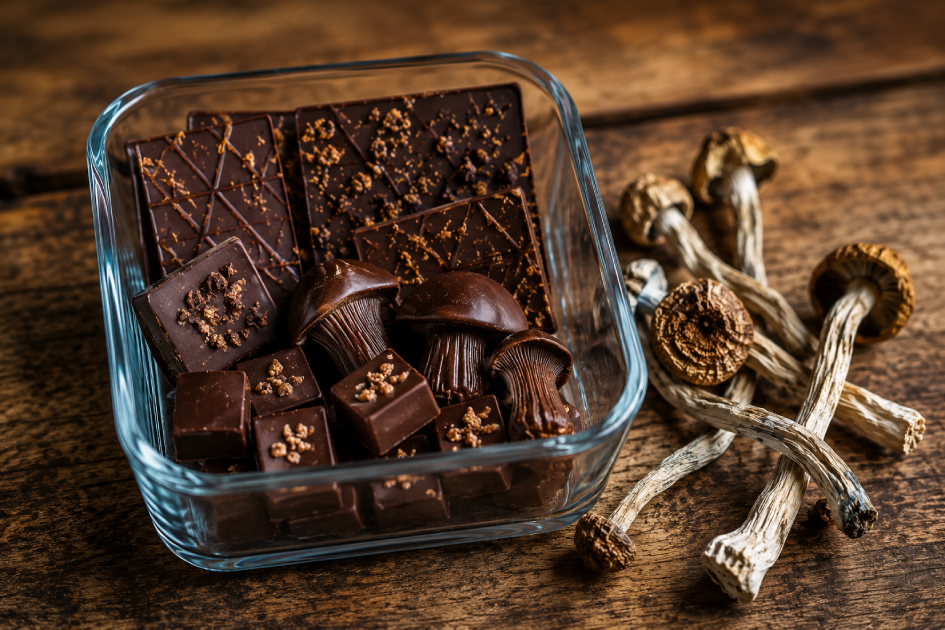
Shroom Chocolate Explained: Effects, Risks, Safety Considerations & What Beginners Should Know
Shroom chocolate has emerged as one of the most talked-about products in the psychedelic space. By combining chocolate with psilocybin-containing mushrooms, these products offer a more approachable alternative to consuming dried mushrooms directly. Their growing popularity has sparked curiosity among adults interested in learning about psychedelic substances, wellness trends, and emerging research surrounding psilocybin.
However, curiosity should be paired with education. Psilocybin is a powerful psychoactive compound that can significantly alter perception, mood, emotions, and cognition. While some individuals report meaningful personal experiences, others may encounter anxiety, confusion, or other adverse psychological effects.
Understanding what shroom chocolate is, how psilocybin affects the brain, potential risks, legal considerations, and the importance of responsible decision-making can help consumers make more informed choices.
This guide explores the science behind shroom chocolate, common effects, safety concerns, and factors to consider before purchasing or consuming any psychedelic product.
What Is Shroom Chocolate?
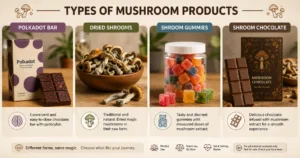
Shroom chocolate refers to chocolate products infused with psilocybin-containing mushrooms or mushroom-derived extracts. Psilocybin is a naturally occurring psychedelic compound found in various species of mushrooms commonly referred to as “magic mushrooms.”
Chocolate is often used as a delivery format because it can help mask the naturally earthy flavour of mushrooms and create a more familiar edible product. Shroom chocolate may be sold in the form of:
- Chocolate bars
- Truffles
- Chocolate squares
- Filled chocolates
- Bite-sized pieces
- Other confectionery-style products
Because products vary significantly in formulation, manufacturing standards, and potency, consumers should never assume that two products will produce identical effects.
How Psilocybin Works in the Brain
After psilocybin enters the body, it is converted into psilocin, a compound that interacts with serotonin receptors throughout the brain. Researchers believe that many psychedelic effects are linked to activity at the 5-HT2A serotonin receptor.
Serotonin plays an important role in:
- Mood regulation
- Emotional processing
- Perception
- Memory
- Learning
- Sensory integration
- Cognitive flexibility
By influencing these systems, psilocybin can temporarily alter the way individuals perceive themselves, their environment, and their thoughts.
Researchers continue to study psilocybin’s effects on brain connectivity, consciousness, and mental health, though many questions remain under investigation.
Why Shroom Chocolate Has Become Popular
Several factors have contributed to the popularity of mushroom-infused chocolate products.
Familiar Format
Chocolate is one of the most widely recognized edible products in the world. For many people, consuming chocolate feels less intimidating than consuming dried mushrooms.
Improved Taste
Many consumers find the taste of raw mushrooms unpleasant. Chocolate may help mask some of the bitterness and earthy flavour commonly associated with mushroom products.
Product Convenience
Chocolate products are often packaged in clearly divided portions, which can make serving sizes easier to understand compared to loose mushroom material.
Growing Public Interest in Psychedelics
Over the past decade, increased media attention, scientific research, documentaries, podcasts, and public discussion have contributed to renewed interest in psychedelic substances.
What Effects Are Commonly Associated With Psilocybin?
Psychedelic experiences vary widely between individuals. Factors such as personal psychology, expectations, environment, physical health, and product composition can all influence outcomes.
Some commonly reported effects include:
Changes in Perception
Individuals may experience:
- Enhanced visual awareness
- Increased appreciation of colors
- Changes in depth perception
- Altered sensory processing
Emotional Changes
Some users report:
- Heightened emotions
- Increased empathy
- Greater introspection
- Feelings of connectedness
Others may experience:
- Anxiety
- Fear
- Emotional discomfort
- Emotional overwhelm
Cognitive Effects
Psilocybin may temporarily influence:
- Thought patterns
- Self-reflection
- Creativity
- Sense of time
- Personal insight
These effects can vary dramatically from one individual to another.
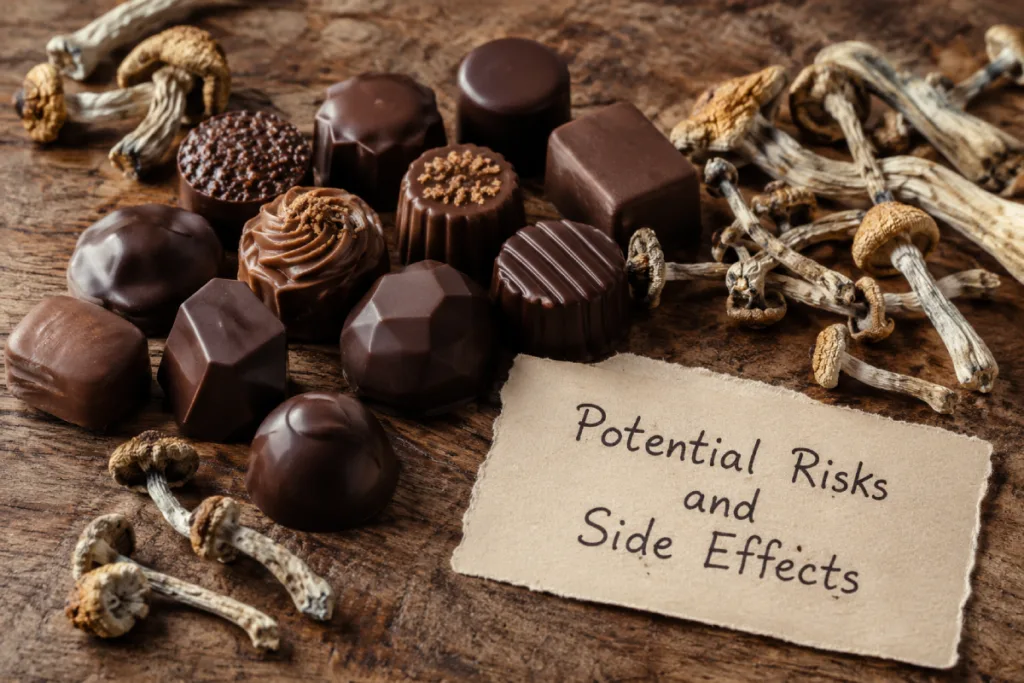
Potential Risks and Side Effects
Although psilocybin is often discussed in the context of personal growth or wellness, it is not risk-free.
Possible side effects may include:
- Anxiety
- Panic
- Confusion
- Dizziness
- Nausea
- Increased heart rate
- Emotional distress
- Disorientation
In some cases, individuals may experience particularly difficult psychological reactions.
Because responses are highly individual, there is no way to guarantee a positive experience.
Understanding Difficult Psychedelic Experiences
The term “bad trip” is commonly used to describe an intensely distressing psychedelic experience.
Potential characteristics may include:
- Extreme anxiety
- Fear
- Panic
- Paranoia
- Emotional instability
- Temporary confusion
- Disturbing thoughts
While many difficult experiences eventually pass without lasting harm, they can feel overwhelming in the moment.
Psychological preparation, awareness of potential risks, and informed decision-making remain important considerations.
Mental Health Considerations
Psilocybin may not be appropriate for everyone.
Individuals with a personal or family history of certain mental health conditions should exercise particular caution.
Conditions often discussed in relation to psychedelic risk include:
- Psychotic disorders
- Schizophrenia
- Bipolar disorder
- Severe anxiety disorders
- Certain personality disorders
Anyone considering psychedelic substances should consult a qualified healthcare professional regarding potential risks, interactions, and personal suitability.
Why Environment Matters
Researchers and experienced psychedelic educators often discuss the importance of “set and setting.”
Set
“Set” refers to:
- Mindset
- Emotional state
- Expectations
- Psychological readiness
Setting
“Setting” refers to:
- Physical environment
- Social surroundings
- External stressors
- Overall comfort level
These factors can strongly influence how an individual experiences a psychedelic substance.
Can Psilocybin Be Mixed With Other Substances?
Combining psychoactive substances can increase unpredictability.
Interactions may affect:
- Intensity
- Duration
- Emotional response
- Cognitive effects
- Physical sensations
Because individual reactions vary and research remains limited in many areas, combining substances may introduce additional risks.
Individuals should seek guidance from qualified medical professionals regarding potential interactions.

Current Research Into Psilocybin
Interest in psychedelic research has expanded significantly in recent years.
Researchers are studying psilocybin’s potential role in areas such as:
- Depression
- Anxiety
- End-of-life distress
- PTSD
- Addiction treatment
While early findings have generated interest, psilocybin is not a universal solution and ongoing research is necessary to better understand both benefits and risks.
Consumers should be cautious of exaggerated claims that present psychedelics as guaranteed treatments or miracle solutions.
How to Identify Quality Products
Product quality can vary substantially.
Consumers evaluating any mushroom-related product may wish to consider:
Ingredient Transparency
Reliable brands typically provide:
- Clear ingredient information
- Allergen disclosures
- Manufacturing details
Product Information
Products should clearly explain:
- Ingredients
- Storage requirements
- Packaging information
Brand Reputation
Trustworthy companies often demonstrate:
- Transparent business practices
- Clear customer support policies
- Consistent product information
Third-Party Testing
Independent laboratory testing may help verify:
- Product contents
- Purity
- Consistency
- Screening for contaminants
Legal Considerations
Psilocybin laws vary significantly depending on location.
Regulations may differ between:
- States
- Cities
- Counties
- Federal jurisdictions
Because laws continue to evolve, consumers should verify current regulations in their specific location before purchasing, possessing, or consuming any psilocybin-containing product.
Frequently Asked Questions
Is shroom chocolate the same as regular chocolate?
No. Shroom chocolate contains mushroom-derived ingredients that may include psilocybin-containing material, making it fundamentally different from traditional chocolate products.
How long do effects last?
The duration of effects can vary considerably depending on the product, individual physiology, and other factors.
Can everyone safely use psilocybin?
No. Certain medical and mental health conditions may increase risks.
Is psychedelic research still ongoing?
Yes. Researchers continue to study potential therapeutic applications, risks, and long-term outcomes associated with psilocybin.
Final Thoughts
Shroom chocolate has become one of the most recognizable products in the modern psychedelic marketplace. While the chocolate format may appear approachable, it is important to remember that psilocybin is a powerful psychoactive substance capable of producing significant psychological effects.
Education, critical thinking, awareness of risks, and respect for evolving scientific research remain essential. Consumers should avoid sensational claims, understand applicable laws, and prioritize informed decision-making.
For adults interested in exploring high-quality cannabis products, accessories, and lifestyle essentials, Dankmart.co offers a curated selection of products designed to support a convenient shopping experience. As with any wellness-related purchase, consumers should research products carefully and choose reputable brands that prioritize transparency and quality.
References:
National Institutes of Health. (August 13, 2024). How Psychedelic Drugs Alter the Brain. NIH Research Matters. Available at:
https://www.nih.gov/news-events/nih-research-matters/how-psychedelic-drugs-alter-brain
Davis, Kathleen, FNP. (March 25, 2025). What Are Hallucinogens and How Do They Affect the Brain? Medically reviewed by Alex Nguyen, PharmD, RPh, CPh. Medical News Today. Available at:
https://www.medicalnewstoday.com/articles/308850
American Brain Foundation. (n.d.). How Psychedelics Affect the Brain. American Brain Foundation. Available at:
https://www.americanbrainfoundation.org/how-psychedelics-affect-the-brain/


About author



Add comment