
Hash Explained: Everything You Need to Know About Cannabis Hash
Hash Explained: Everything You Need to Know About Cannabis Hash
Hash, also known as hashish, is one of the oldest and most respected cannabis concentrates in the world. For centuries, people across regions such as North Africa, the Middle East, and parts of Asia have valued hash for its rich aroma, concentrated cannabinoid content, and unique production methods.
Today, hash remains popular among adult cannabis consumers who appreciate traditional concentrates and solventless extraction techniques. Modern innovations have also introduced new varieties—including bubble hash and full-melt hash—that emphasize purity, terpene preservation, and craftsmanship.
Whether you’re new to cannabis concentrates or simply want to better understand what makes hash unique, this guide explains everything you need to know. You’ll learn how hash is made, the different types available, how to recognize quality products, proper storage techniques, and what to consider when purchasing from a licensed dispensary like Dank Mart.
What Is Hash?
Hash is a cannabis concentrate created by collecting the tiny resin glands that naturally develop on mature cannabis flowers. These resin glands, known as trichomes, contain many of the plant’s most desirable compounds, including cannabinoids like THC and CBD, as well as aromatic terpenes that contribute to each cultivar’s distinctive scent and flavor.
Rather than using the entire cannabis flower, hash focuses on these resin-rich trichomes. Once collected, they are compressed or processed into a concentrated product that can vary in appearance, texture, aroma, and potency depending on the production method.
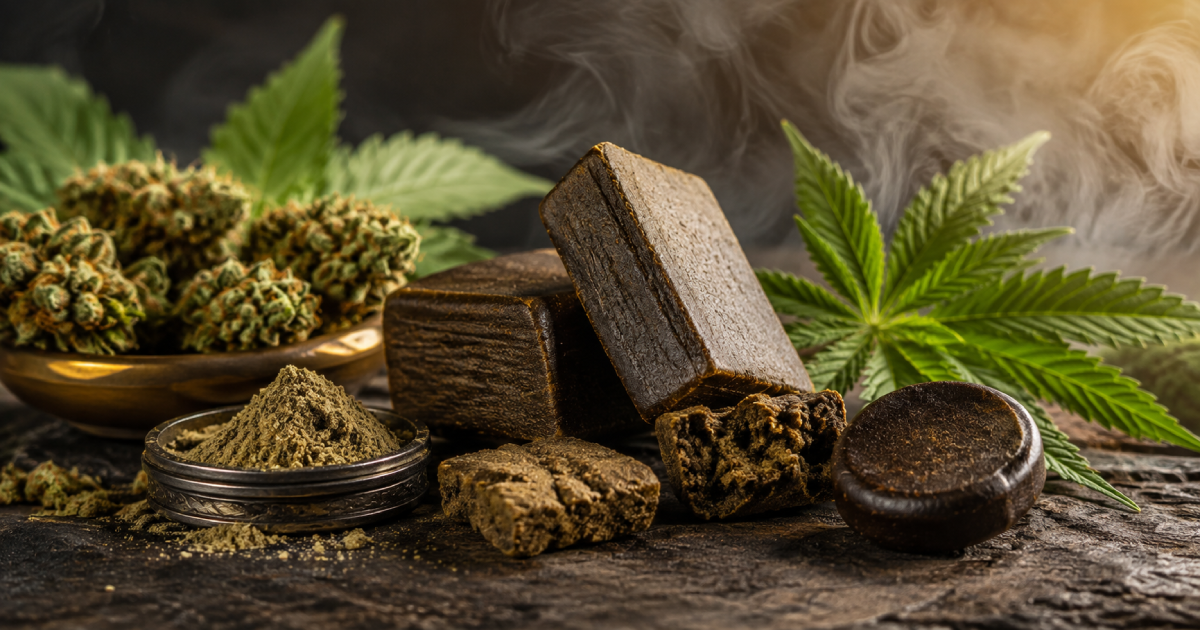
Traditional hash often appears as:
- Soft blocks
- Pressed bricks
- Small coins
- Balls (often called temple balls)
- Loose resin
- Powdery dry sift
Colors range from light blond and golden tan to dark brown or nearly black, while textures can vary from crumbly and dry to soft, sticky, or pliable.
A Brief History of Hash
Hashish has a remarkably long history that predates many modern cannabis products.
Historical records suggest that resin concentrates have been produced for hundreds of years across regions, including:
- Morocco
- Lebanon
- Afghanistan
- India
- Nepal
- Pakistan
Different regions developed unique cultivation methods and processing techniques based on local cannabis genetics, climate, and traditions. Many of these methods continue to influence today’s solventless concentrate production.
As legal cannabis markets expanded throughout North America, traditional hash experienced renewed popularity. Consumers seeking full-spectrum cannabis products increasingly embraced concentrates that preserve the plant’s natural cannabinoids and terpene profile without relying on chemical solvents.
How Hash Is Made
Hash begins with mature cannabis flowers covered in resinous trichomes.
The objective is simple: separate these tiny resin glands from the surrounding plant material while preserving their quality.
Several production methods are commonly used.
Dry Sift Hash
Dry sift is among the oldest solventless extraction techniques.
Cannabis flowers are gently agitated across fine mesh screens that separate mature trichomes from the plant material. The resulting resin powder may be pressed into blocks or sold as loose sift.
High-quality dry sift typically contains fewer contaminants and offers a cleaner cannabinoid and terpene profile.
Bubble Hash
Bubble hash is produced using ice water rather than chemical solvents.
Cannabis material is gently stirred in ice water while specialized filtration bags separate trichomes by size.
After filtration, the collected resin is carefully dried under controlled conditions.
Because this process avoids hydrocarbon solvents, bubble hash is often categorized as a solventless concentrate.
Hand-Rubbed Hash
In some traditional cannabis-growing regions, fresh flowers are gently rubbed by hand to collect sticky resin directly from the plant.
The accumulated resin is then rolled into small balls or compressed into larger pieces.
Although labor-intensive, this traditional method remains culturally significant in certain parts of the world.
Pressed Hash
Many traditional hash products are created by compressing collected trichomes under controlled pressure.
The resulting concentrate may develop a smooth exterior while maintaining a softer interior, depending on moisture content and resin quality.
Different Types of Hash
Not all hash is the same.
Understanding the major categories helps consumers make informed purchasing decisions.
Dry Sift Hash
Characteristics include:
- Fine resin collection
- Solventless production
- Mild golden appearance
- Traditional craftsmanship
Bubble Hash
Known for:
- Ice water extraction
- Excellent terpene preservation
- High purity
- Multiple micron grades
Temple Balls
Temple balls are hand-rolled spheres made from carefully worked resin.
They are often associated with traditional Himalayan cannabis production and may continue to mature during storage as their terpene profile evolves.
Moroccan Hash
Moroccan hash is typically produced using dry sifting methods.
It often has:
- Sandy texture
- Golden color
- Mild earthy aroma
Lebanese Hash
Lebanese hash may appear lighter or darker depending on harvest timing and processing methods.
Its texture and aroma often differ noticeably from Moroccan varieties.
Afghan Hash
Afghan hash is commonly recognized for its dense texture and resin-rich characteristics.
Wide traditional Afghan varieties are darker in appearance and highly aromatic.
Cannabinoids and Terpenes
The appeal of hash extends beyond cannabinoid concentration.
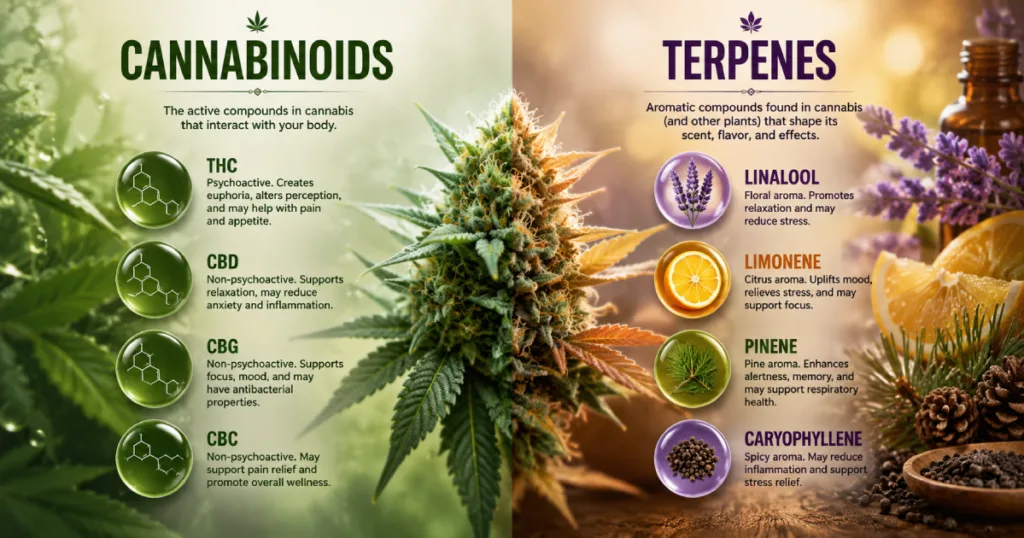
Because hash consists primarily of resin glands, it often retains many naturally occurring terpenes that contribute to aroma and flavor.
Common cannabinoids include:
- THC
- CBD
- CBG
- CBC
Common terpenes may include:
- Myrcene
- Limonene
- Caryophyllene
- Pinene
- Linalool
- Humulene
The precise cannabinoid and terpene profile varies according to cultivar, cultivation practices, harvest timing, and extraction technique.
How Potent Is Hash?
Potency varies considerably depending on production quality and extraction methods.
Many traditional hash products contain cannabinoid concentrations significantly higher than dried cannabis flower, although laboratory testing remains the best way to determine the exact cannabinoid content of any individual product.
Licensed dispensaries frequently provide Certificates of Analysis (COAs) that verify cannabinoid levels and screen for contaminants.
Hash vs Other Cannabis Concentrates
Consumers often encounter numerous concentrate options.
Here’s a simplified comparison.
| Product | Solventless | Texture |
| Hash | Usually | Pressed or crumbly |
| Bubble Hash | Yes | Granular |
| Live Rosin | Yes | Soft |
| Wax | Usually solvent-based | Creamy |
| Shatter | Usually solvent-based | Glass-like |
| Resin | Often solvent-based | Sticky |
Each concentrate offers unique characteristics regarding aroma, cannabinoid profile, appearance, and production method.
How to Recognize High-Quality Hash
Quality hash begins with quality cannabis.
When evaluating products, consider several factors.
Aroma
Fresh hash typically displays a rich, pleasant cannabis aroma.
Avoid products with chemical, musty, or mold-like odors.
Appearance
High-quality hash often appears:
- Consistent in color
- Free from visible contaminants
- Well-formed
- Properly cured
Small color differences are normal depending on genetics and production methods.
Laboratory Testing
Whenever possible, purchase products that include independent laboratory testing.
Testing helps verify:
- Cannabinoid content
- Residual solvents (if applicable)
- Heavy metals
- Pesticides
- Microbial contaminants
Packaging
Professional packaging protects freshness while providing valuable information, including:
- Harvest date
- Packaging date
- Cannabinoid profile
- Batch number
- Storage recommendations
Choosing the Right Hash
Different consumers prioritize different characteristics.
Some focus on:
- Traditional craftsmanship
- Solventless production
- Terpene preservation
- Cannabinoid profile
- Brand reputation
- Cultivar genetics
Taking time to compare products and review available laboratory information can help consumers select products that align with their preferences.
How to Store Hash Properly
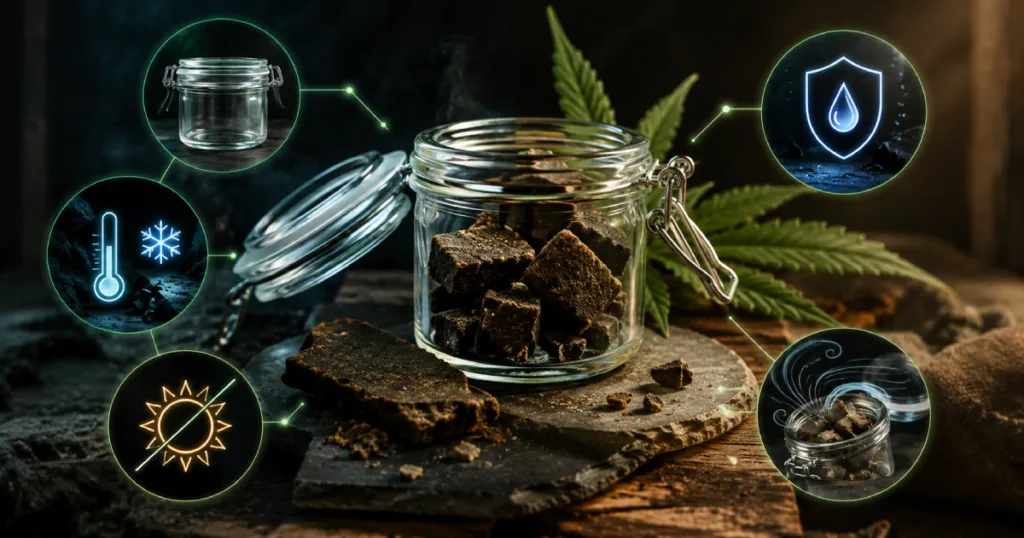
Proper storage helps preserve freshness.
For best results:
- Store in an airtight container.
- Keep in a cool, dark place.
- Minimize exposure to heat.
- Protect from excessive moisture.
- Limit repeated air exposure.
Extreme temperatures and prolonged light exposure may gradually affect cannabinoid and terpene preservation.
Why Product Quality Matters
Cannabis concentrates vary considerably between producers.
High-quality manufacturers typically emphasize:
- Carefully selected flower
- Clean processing methods
- Independent laboratory testing
- Transparent labeling
- Responsible manufacturing practices
Choosing licensed retailers provides additional confidence regarding product quality and regulatory compliance.
Why Shop at Dank Mart?
Finding premium cannabis products starts with choosing a trusted dispensary.
At Dank Mart, customers can explore a carefully curated selection of cannabis flower, concentrates, THC edibles, Weed accessories, and other products sourced from reputable producers.
The team focuses on offering products that emphasize quality, transparency, and responsible retail practices. Whether you’re interested in traditional hash, solventless concentrates, or exploring other cannabis categories, Dank Mart offers a diverse selection designed to meet a variety of preferences.
As with any cannabis purchase, consumers are encouraged to review product labels, cannabinoid information, and laboratory testing results before making a selection.
Responsible Adult Cannabis Use
Cannabis products are intended only for adults where permitted by law.
Responsible cannabis use includes:
- Purchasing from licensed retailers.
- Following all local laws and regulations.
- Keep cannabis securely stored away from children and pets.
- Reading product labels carefully.
- Being aware that different cannabis products may vary significantly in cannabinoid content.
Consumers with medical questions should consult a qualified healthcare professional.
Frequently Asked Questions
Is hash the same as cannabis flower?
No. Hash is a cannabis concentrate made primarily from resin glands collected from cannabis flowers.
Is hash considered solventless?
Many traditional forms of hash—including dry sift and bubble hash—are produced without chemical solvents.
What gives hash its aroma?
Hash derives much of its aroma from naturally occurring terpenes found within cannabis trichomes.
Does all hash look the same?
No. Color, texture, and appearance vary depending on cultivation, genetics, curing, and production techniques.
How should hash be stored?
Store hash in an airtight container in a cool, dark location while minimizing exposure to heat, light, and excessive moisture.
How can I tell if the hash is high quality?
Look for products that include independent laboratory testing, transparent labeling, consistent appearance, and a pleasant natural aroma.
Final Thoughts
Hash continues to hold an important place in cannabis culture thanks to its rich history, concentrated resin profile, and diverse production techniques. From traditional dry sift to modern solventless bubble hash, today’s consumers have access to a wide variety of products that reflect both centuries-old craftsmanship and contemporary innovation.
Learning how hash is made, understanding the differences between available varieties, and recognizing the characteristics of quality products empowers consumers to make informed purchasing decisions.
If you’re interested in exploring premium cannabis products, Dankmart.co offers a carefully selected assortment of flower, concentrates, edibles, and accessories from trusted producers, helping adult consumers shop with confidence while prioritizing quality and transparency.
References:
Wikipedia contributors. (June 19, 2026). Hashish. Available at: https://en.wikipedia.org/wiki/Hashish
Acerno, A. Reviewed by Hemraj, D. (Last updated October 3, 2025). Difference Between Terpenes and Cannabinoids. Available at: https://leafwell.com/blog/difference-between-terpenes-and-cannabinoids
Puffco. (n.d.). Proper Hash Storage. Available at: https://www.puffco.com/blogs/cannabis-knowledge-base/proper-hash-storage
Dr. Louisa Degenhardt, Ph.D, AO, FAA, FASSA, FAHMS


About author



Add comment